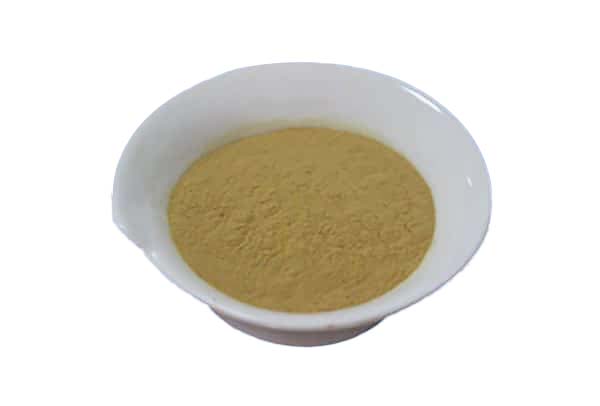
| Appearance | Light yellow powder | PH | 4.5-6.5 |
| Dry matter | ≥93% | Moisture | ≤7.0% |
| Water insoluble matter | ≤1.5% | Lignosulphonate | ≥60% |
| Total reducing matte | ≤12% | Air Content | ≤3.0% |
Application
As a Concrete Water-Reducing Agent
Adding 0.25% to 0.3% reduces water consumption by 10% to 14% while improving concrete workability. During summer use, it inhibits slump loss and is typically blended with high-efficiency water-reducing agents.
As a Mineral Binder
Applied in the metallurgical industry. Mixing calcium lignosulfonate with mineral powder to form mineral powder balls, which are dried and fed into kilns, significantly enhances smelting recovery rates.
For Refractory Materials
Used as a dispersant and binder in manufacturing refractory bricks and tiles. It markedly improves workability while providing beneficial effects such as water reduction, strength enhancement, and crack prevention.
Used in Ceramic Products
Reduces carbon content in ceramic products, increases green body strength, and decreases the amount of plastic clay required. Simultaneously, it improves slurry flowability, increases yield rates by 70% to 90%, and shortens sintering time from 70 minutes to 40 minutes.
Feed Binder Application
It improves palatability for livestock and poultry, enhances pellet strength, reduces feed fines and re-grinding rates, thereby lowering production costs.
Other Applications
Calcium lignosulfonate also serves as an oil refining additive, in foundry processes, wet-dispersion pesticide processing, briquette pressing, mining, mineral processing agents, road construction, soil conditioning, dust control, leather tanning, carbon black pelletization, and more.