
1. What Are Lignosulfonates?
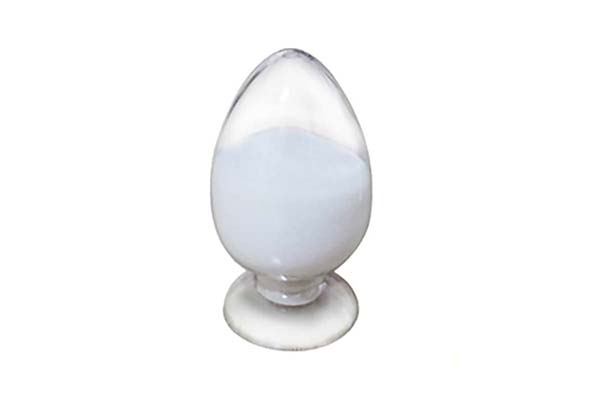
Lignosulfonates are derived from the waste liquor generated during the sulfite pulping process in the paper industry. They are produced through a series of processes including desugarization, concentration, and drying.
In nature, lignin is an important component of plant cell walls, acting as a binder that holds cellulose fibers together. It is the second most abundant natural polymer on earth, after cellulose. Through sulfonation modification, sulfonic acid groups are introduced into the lignin molecule, giving it good water solubility, and resulting in lignosulfonates.
Different types of lignosulfonates are distinguished by the cations paired with the sulfonic acid groups. Common cations include calcium, sodium, magnesium, ammonium, and potassium ions, giving rise to various lignosulfonate products.
2. Common Product Types
Calcium Lignosulfonate
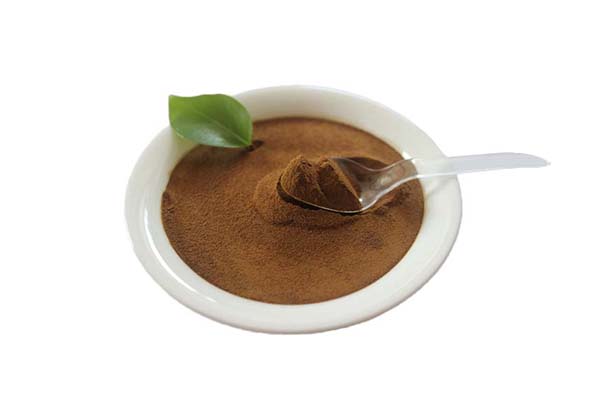
Calcium lignosulfonate uses calcium ions as the counterion. It appears as light yellow to dark brown powder and is readily soluble in water.
Characteristics: Good binding properties, noticeable water-reducing effect, certain retarding effect
Main Applications: Concrete water reducer, refractory material binder, ceramic reinforcing agent, mineral powder pelletizing, feed pellet binder
Sodium Lignosulfonate
Sodium lignosulfonate uses sodium ions as the counterion. It appears as brownish-yellow to yellowish-brown powder.
Characteristics: Excellent dispersing properties, good water solubility, high cost-effectiveness
Main Applications: Dye dispersant, pesticide adjuvant, concrete water reducer, ceramic dispersant, carbon black granulation
Magnesium Lignosulfonate
Magnesium lignosulfonate uses magnesium ions as the counterion. It appears as light yellow to light brown powder.
Characteristics: Good dispersing properties, suitable for applications with no special requirements for magnesium ions
Main Applications: Concrete water reducer, ceramic reinforcing agent, coal-water slurry dispersant, mineral powder binder
Ammonium Lignosulfonate
Ammonium lignosulfonate uses ammonium ions as the counterion. It appears as yellowish-brown to brown powder.
Characteristics: Contains nitrogen, provides nutrients while exhibiting surface activity
Main Applications: Fertilizer additive, feed binder, concrete water reducer, ceramic dispersant, soil conditioner
Potassium Lignosulfonate
Potassium lignosulfonate uses potassium ions as the counterion. It appears as brownish-yellow to brown powder.
Characteristics: Contains potassium, combines surface activity with potassium nutrient value
Main Applications: Agricultural fertilizer, soil conditioner, pesticide dispersant, feed binder, concrete water reducer
3. Product Comparison
| Product | Counterion | Key Characteristics | Main Application Areas |
| Calcium Lignosulfonate | Ca²⁺ | Strong binding, noticeable water reduction | Building materials, ceramics, mining, feed |
| Sodium Lignosulfonate | Na⁺ | Good dispersing, high cost-effectiveness | Dyes, pesticides, building materials |
| Magnesium Lignosulfonate | Mg²⁺ | Good dispersing, suitable for specific applications | Building materials, coal-water slurry, mining |
| Ammonium Lignosulfonate | NH₄⁺ | Contains nitrogen | Agriculture, feed |
| Potassium Lignosulfonate | K⁺ | Contains potassium | Agriculture, feed |
4. Application Industries
Construction & Building Materials
Lignosulfonates are primarily used as ordinary concrete water reducers. When added to concrete mixtures, they reduce water demand and improve workability and flowability. These products contain no chlorides and do not corrode steel reinforcement. They are suitable for ready-mix concrete, pumped concrete, mass concrete, and similar applications.
Additionally, lignosulfonates are used in the production of refractory materials and ceramic products as dispersants and reinforcing agents, improving slurry flowability and increasing green strength.
Dyes & Pigments
In the dye industry, sodium lignosulfonate serves as a dispersant in the production of disperse dyes, vat dyes, and reactive dyes. It prevents dye particles from aggregating in aqueous media, maintaining dispersion stability and promoting uniform coloration.
Pesticides
Lignosulfonates are used as dispersants and wetting agents in wettable powders and water-dispersible granules. They improve the suspension rate of pesticide powders in water and enhance adhesion to plant leaf surfaces.
Agriculture & Fertilizers
Ammonium and potassium lignosulfonates have significant applications in agriculture. Ammonium lignosulfonate serves as an organic nitrogen source, while potassium lignosulfonate serves as an organic potassium source, used in fertilizer production and soil improvement. The lignin component helps increase soil organic matter content and improves soil structure when applied.
Feed Industry
Lignosulfonates are used as binders in pelleted feed production, improving pellet formation rate and durability while reducing powder loss during transportation and use.
Mining & Metallurgy
Lignosulfonates serve as binders for mineral powder, used in pelletizing or briquetting to help form powdered materials into shapes, facilitating transportation and smelting processes, and contributing to improved metal recovery rates.
Energy Industry
Lignosulfonates are used as dispersants in coal-water slurry, helping coal powder disperse evenly in water and improving slurry flowability and stability.
Other Industries
Lignosulfonates are also applied in leather tanning fillers, carbon black granulation binders, briquette binders, oilfield drilling fluid additives, and other fields.
5. How to Choose the Right Product?
When selecting a lignosulfonate product, the following factors are typically considered:
Application Scenario: Choose based on specific use. Calcium and sodium salts are commonly used in building materials; ammonium or potassium salts may be preferred for agriculture and feed; sodium salt is the primary choice for dyes
Cost Considerations: Sodium and calcium salts offer high cost-effectiveness and are widely used
Functional Requirements: For stronger binding properties, choose calcium salt; for better dispersing properties, choose sodium salt; for nutrient value, choose ammonium or potassium salt
Process Conditions: Consider compatibility with other materials and any restrictions regarding specific ions
6. Packaging & Storage
Lignosulfonate products are typically packaged in double-layer bags: an inner polyethylene film bag and an outer woven bag. Each bag has a net weight of 25 kilograms. Additionally, 550 kg ton bags are available, and custom packaging can be arranged according to customer requirements.
Products should be stored in a cool, dry, well-ventilated area.