
I. Product Overview
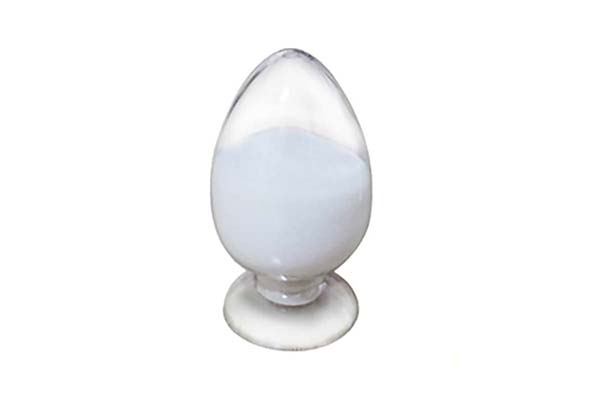
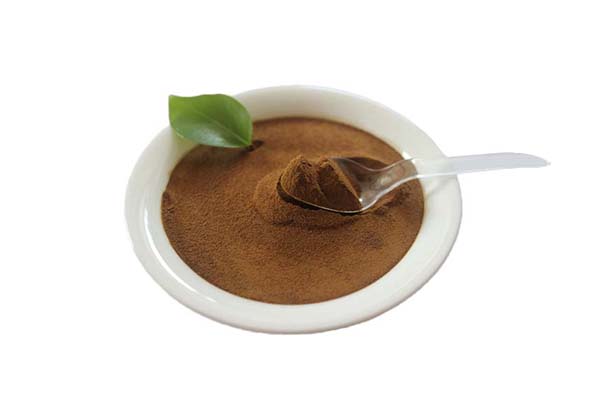
Polycarboxylate superplasticizer is a representative product of third-generation high-performance concrete admixtures. With its unique molecular structure design and excellent performance, it has become an indispensable core component in modern concrete production. Compared with second-generation admixtures such as naphthalene-based and melamine-based superplasticizers, polycarboxylate superplasticizer achieves significant improvements in water-reducing rate, slump retention, adaptability, and environmental friendliness.
Today, polycarboxylate superplasticizer has become a standard material in ready-mix concrete, high-strength high-performance concrete, self-compacting concrete, precast components, and major national projects such as bridges, tunnels, high-speed railways, and water conservancy and hydropower projects. Its characteristics of "small dosage, remarkable effect, and eco-friendliness" perfectly align with the comprehensive requirements of modern concrete engineering for performance, efficiency, and sustainable development.
II. Mechanism of Action
The reason why polycarboxylate superplasticizer achieves excellent dispersion lies in its unique "comb-shaped" molecular structure. This structure can be visualized as a comb:
Backbone: Composed of polymer chains containing anchoring groups such as carboxyl (-COOH), like the spine of a comb. These carboxyl groups firmly adsorb onto the surface of cement particles, forming a negatively charged layer that generates electrostatic repulsion.
Side Chains: Composed of long polyoxyethylene ether chains, like the teeth of a comb. These side chains extend between cement particles, creating a physical barrier that prevents particles from approaching each other, generating steric hindrance.
When polycarboxylate superplasticizer molecules adsorb onto the surface of cement particles, electrostatic repulsion and steric hindrance work together to effectively disperse the agglomerated cement particles. The free water originally trapped between particles is released, significantly improving concrete fluidity. Meanwhile, due to better dispersion, cement hydration is more complete, resulting in increased concrete density and strength.
This "adsorption-dispersion" mechanism enables polycarboxylate superplasticizer to achieve ideal dispersion effects at very low dosages, providing the technical foundation for high-performance concrete formulation.
III. Core Performance Advantages
1. High Water-Reducing Rate
Polycarboxylate superplasticizer typically achieves a water-reducing rate of 25%-30%, significantly higher than the 15%-25% of naphthalene-based superplasticizers. This means that while maintaining the same fluidity, water consumption in concrete can be greatly reduced, thereby lowering the water-to-binder ratio and significantly improving concrete strength and durability. For formulating high-strength and ultra-high-strength concrete, a high water-reducing rate is a key technical guarantee.
2. Excellent Slump Retention
Slump loss over time is an important indicator for evaluating superplasticizer performance. With its designable molecular structure, polycarboxylate superplasticizer achieves minimal slump loss over 2-3 hours. This characteristic makes it particularly suitable for construction scenarios with stringent requirements for concrete fluidity retention, such as high-temperature construction, long-distance transportation, and high-rise building pumping.
3. Broad Adaptability
Polycarboxylate superplasticizer demonstrates good adaptability to various types of cement, mineral admixtures (such as fly ash, ground slag, silica fume, etc.), and aggregates from different sources. This broad adaptability stems from its flexible molecular structure—by adjusting parameters such as backbone length, side chain density, and functional group types, it can be optimized for different raw material characteristics.
4. Environmental Friendliness
Polycarboxylate superplasticizer does not use formaldehyde in its production process, and the finished product contains no formaldehyde or other harmful substances. It is environmentally friendly and aligns with the development direction of green building materials. Additionally, the reduction in water consumption due to its high water-reducing rate, along with improved structural durability from high-performance concrete, indirectly promotes energy conservation and emission reduction in the construction industry.
5. Designable Molecular Structure
The greatest technical advantage of polycarboxylate superplasticizer lies in its designable molecular structure. By adjusting polymerization processes, monomer ratios, and molecular weight distribution, products with specific properties can be customized for different project requirements—high water-reducing type, slump-retaining type, viscosity-reducing type, early-strength type, etc., meeting the needs of diverse application scenarios.
IV. Product Series and Applications
1. High Water-Reducing Type
Performance Characteristics: Water-reducing rate up to 27%, significantly reduces water-to-binder ratio while maintaining good fluidity under low water consumption conditions.
Applications: C60 and above high-strength concrete, ultra-high-strength concrete, high-performance concrete. Achieves high strength and high durability design goals by lowering the water-to-binder ratio.
2. Slump-Retaining Type
Performance Characteristics: Excellent slump retention capability with minimal fluidity loss over 2-3 hours, effectively addressing the issue of slump loss over time.
Applications: High-temperature construction, long-distance transportation, high-rise building pumping, mass concrete placement. Particularly suitable for remote sites far from mixing plants or projects where the mixing station is located far from the construction site.
3. Viscosity-Reducing Type
Performance Characteristics: Effectively reduces the viscosity of high-grade concrete, improves fluidity and pumpability, solves construction problems such as "sticking to the mixer," "slow flow," and "difficult complete discharge."
Applications: C60 and above high-strength concrete, self-compacting concrete, ultra-high-performance concrete (UHPC). For components with dense reinforcement and complex structures, viscosity-reducing superplasticizer significantly enhances filling performance.
4. Early-Strength Type
Performance Characteristics: Promotes early cement hydration, accelerates early strength development, shortens formwork removal time and curing cycles.
Applications: Precast component production, low-temperature winter construction, emergency repair projects, projects requiring rapid formwork turnover. By improving early strength, it accelerates construction progress and enhances overall economic efficiency.
5. Controlled-Release Type
Performance Characteristics: Through hydrolyzable groups in the molecular structure, achieves sustained release of anchoring groups with slump retention lasting over 4 hours, meeting ultra-long duration construction requirements.
Applications: Special projects requiring long-term maintenance of concrete fluidity, such as large foundation pours and long-distance offshore transportation.
V. Application Fields
Ready-Mix Concrete
Polycarboxylate superplasticizer is the mainstream choice for ready-mix concrete stations. Its high water-reducing rate and excellent slump retention effectively improve concrete pumpability, reduce the risk of pipeline blockage, while enhancing concrete strength and durability.
High-Strength High-Performance Concrete
For C60 and above high-strength concrete, polycarboxylate superplasticizer is a key technology for achieving low water-to-binder ratio and high fluidity. By reducing water consumption and improving the efficiency of cementitious materials, it achieves the integration of high strength and good workability.
Self-Compacting Concrete
Self-compacting concrete requires automatic leveling and formwork filling without vibration. The excellent fluidity and viscosity adjustment capabilities provided by polycarboxylate superplasticizer are the core guarantees for successful self-compacting concrete formulation.
Precast Components
Precast component production demands high early strength to accelerate formwork turnover and production efficiency. Early-strength polycarboxylate superplasticizer significantly enhances early strength development, shortening curing time and improving production efficiency.
Key Projects
In major national projects such as bridges, tunnels, high-speed railways, and water conservancy and hydropower projects, polycarboxylate superplasticizer has become a designated concrete admixture due to its stable performance and reliable quality.
VI. Usage Guidelines
Dosage Range
The dosage of polycarboxylate superplasticizer is typically 0.5%-2.0% of the cementitious material weight. The specific dosage should be determined based on project requirements, raw material characteristics, and test results. It is recommended to conduct concrete mix proportion tests before large-scale application to determine the appropriate dosage.
Application Method
It can be added together with water into the mixer, or by the post-addition method. The post-addition method involves adding the superplasticizer after mixing the concrete for a period, usually after part of the water has been added, which helps improve dispersion efficiency. The specific operation method should be determined based on site equipment and process conditions.
Precautions
Polycarboxylate superplasticizer should not be mixed with naphthalene-based superplasticizers to avoid compatibility issues that may affect performance.
Store in a cool, dry place, avoiding direct sunlight and high temperatures.
Ensure accurate metering during use to avoid dosage fluctuations affecting concrete quality.
For special projects or new material combinations, compatibility testing is recommended in advance.
VII. Conclusion
Polycarboxylate superplasticizer is the core functional material for modern concrete technology. Its application has moved concrete engineering from "experience-driven" to "science-based design," from "ordinary structures" to "high-performance, long-life, green" solutions. Whether in ordinary ready-mix concrete or major national projects with ultra-high strength and ultra-high durability requirements, polycarboxylate superplasticizer plays a crucial role.
As the construction industry continues to demand higher quality, environmental standards, and construction efficiency, the application fields of polycarboxylate superplasticizer will further expand, and product performance will continue to improve. Choosing high-quality polycarboxylate superplasticizer not only ensures concrete quality but also provides strong support for project safety and sustainable development.