
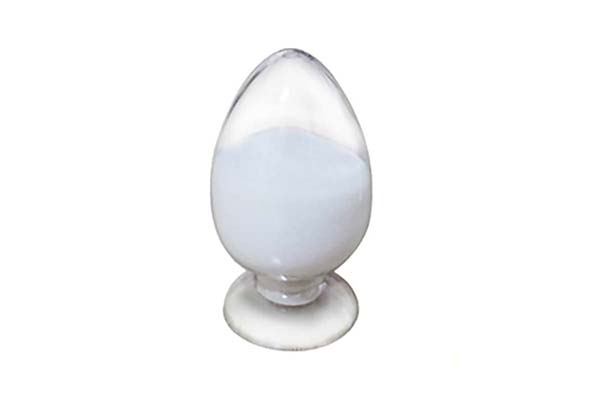
In dry-mix mortars, tile adhesives, wall putties, coatings, and even personal care products, there is a white powder that, typically added at only a few thousandths of the total formulation, significantly improves the workability and user experience of the final product. This is Hydroxypropyl Methylcellulose, commonly known as HPMC.
Although HPMC is not the most eye-catching raw material, it plays an indispensable role in many fields. From wall plastering to tile installation, from shampoo to toothpaste, it quietly exerts thickening, water-retaining, film-forming, and lubricating functions. This article provides a comprehensive introduction to the source, properties, applications, and selection guidelines of HPMC.
1. What is Hydroxypropyl Methylcellulose?
Hydroxypropyl Methylcellulose (HPMC) is a non-ionic cellulose ether produced by alkalization and etherification of natural plant fibers (such as cotton linter or wood pulp).
In simple terms, natural cellulose is insoluble in water, but by introducing methoxy (-OCH₃) and hydroxypropyl (-OCH₂CH(OH)CH₃) groups, the hydrogen bonds between cellulose molecular chains are disrupted, making it water-soluble and imparting a range of functional properties.
HPMC is a semi-synthetic polymer that combines the eco-friendliness of natural cellulose with the tunability of synthetic polymers. It appears as a white to off-white powder, odorless, non-toxic, and biodegradable, making it one of the most widely used cellulose ethers today.
2. Core Properties
The widespread use of HPMC across many industries is due to the following key properties:
2.1 Water Retention
Water retention is the most valued property of HPMC in construction materials. In cement mortars or gypsum-based products, HPMC effectively locks in moisture, preventing it from being absorbed too quickly by the substrate or evaporating too fast, thereby ensuring proper hydration of the cementitious materials. This directly affects bond strength, crack resistance, and surface hardness.
2.2 Thickening
Aqueous solutions of HPMC exhibit significant thickening effects. Extremely low addition levels (e.g., 0.1%–0.5%) can increase the viscosity of water by several to several hundred times. This thickening action imparts good sag resistance and application thickness to mortars, coatings, and adhesives.
2.3 Film Forming
HPMC can form a transparent, flexible film upon drying. This film has a certain degree of strength and barrier properties, useful in food coating, pharmaceutical coating, and cosmetic film-forming applications.
2.4 Lubricity and Thixotropy
HPMC improves the lubricious feel of pastes, making application smoother. At the same time, it imparts shear-thinning behavior – viscosity decreases during mixing for easier application, then recovers when static to prevent sagging.
2.5 Surface Activity
As a non-ionic surfactant, HPMC has good emulsifying, dispersing, and stabilizing effects, helping to suspend solid particles and prevent sedimentation.
2.6 Salt and pH Tolerance
HPMC remains stable over a wide pH range (approximately 3–11) and tolerates certain concentrations of salts, making it suitable for various formulations.
3. Main Application Areas
3.1 Construction Materials
HPMC accounts for more than 60% of total demand in the construction materials sector. Major applications include:
(1) Dry-mix Mortars
Plastering mortar: improves water retention and workability, reduces cracking
Masonry mortar: improves bond strength and open time
Self-leveling flooring: controls fluidity and anti-settling
(2) Tile Adhesives
HPMC is a core additive in tile adhesives. It provides:
Sufficient water retention to ensure proper cement hydration
Slip resistance to prevent tiles from sliding after placement
Extended adjustment time for easier installation
(3) Wall Putties (interior/exterior)
Improves smoothness of application
Reduces blistering and powdering
Enhances bond strength
(4) Thermal Insulation Mortars
Improves paste uniformity and workability
Increases bond strength to the substrate
(5) Gypsum-based Products
Gypsum plaster, gypsum putty, joint fillers
Provides water retention, retardation, and thickening
3.2 Paints and Coatings
In water-based latex paints, texture paints, and stone-like coatings, HPMC is used as a thickener and rheology modifier:
Adjusts viscosity to prevent settling and separation
Improves brushing and roller flow
Reduces spattering
3.3 Food Industry
HPMC is used as a food additive (E464) with functions including:
Thickener: for sauces, soups, ice cream
Emulsion stabilizer: prevents oil-water separation
Film former: for fruit and vegetable coating preservation
Binder in vegetarian meat products
3.4 Daily Chemical and Personal Care
Toothpaste: thickens, stabilizes paste, improves extrusion
Shampoos and body washes: thickens, stabilizes foam, conditions
Cosmetics: thickens and forms films in lotions and creams
3.5 Other Applications
Ceramics: green body reinforcing agent, glaze suspending agent
Oil drilling: viscosifier and fluid loss reducer for drilling fluids
Papermaking: surface sizing agent
Printing: ink thickener
4. Common Grades and Selection Guide
The properties of HPMC are influenced by methoxy (MS) and hydroxypropyl (HP) content, viscosity, degree of substitution, etc. Different applications require different grades.
4.1 Classification by Viscosity
Viscosity is the most intuitive indicator of HPMC, usually expressed as the viscosity of a 2% aqueous solution at 20°C (unit: mPa·s). Common viscosity ranges:
| Viscosity Grade | Suitable Applications |
|---|---|
| Low viscosity (5–400 mPa·s) | Self-leveling compounds, tile adhesives (improving flow), water-based paints |
| Medium viscosity (400–2000 mPa·s) | Plastering mortars, wall putties, standard tile adhesives |
| High viscosity (2000–10000 mPa·s) | Gypsum products, thermal insulation mortars, systems with high water retention demands |
| Very high viscosity (>10000 mPa·s) | Special applications such as gel-type products |
Note: Higher viscosity is not always better. Excessively high viscosity may make application difficult, cause air bubbles, and increase costs. Choose according to actual formulation and application requirements.
4.2 Classification by Dissolution Speed
Fast-dispersing type (surface-treated): disperses quickly in water, suitable for dry-mix mortars (mixed with water on site)
Slow-dissolving type (standard): requires alkaline conditions or heating to dissolve, suitable for certain liquid systems
4.3 Classification by Degree of Substitution
High substitution: high gelation temperature, good water retention, good salt tolerance
Low substitution: low gelation temperature, specific requirements in some applications
4.4 Selection Recommendations
| Application | Recommended Viscosity | Recommended Type |
|---|---|---|
| Tile adhesives | 400–1000 mPa·s | Fast-dispersing, high water retention |
| Plastering mortar | 1000–2000 mPa·s | Fast-dispersing |
| Interior wall putty | 800–1500 mPa·s | Fast-dispersing |
| Exterior wall putty | 1500–2000 mPa·s | Fast-dispersing, good water resistance |
| Gypsum plaster | 2000–4000 mPa·s | Fast-dispersing, with retarder |
| Self-leveling | 200–400 mPa·s | Low viscosity, good flow |
| Latex paint | 5000–10000 mPa·s (2%) | Slow-dissolving or fast-dispersing |
5. Usage Precautions
Dissolution method: HPMC dissolves in cold water, but directly sprinkling it in may cause clumping. Correct methods:
Dry blending: pre-mix HPMC with other powders (cement, gypsum, fillers) before adding water
Hot water dispersion: disperse in hot water (insoluble), then add cold water to cool and dissolve
Dosage: Typically 0.1%–0.5% by weight of cementitious material or total powder. Excessive amounts significantly increase viscosity and affect application.
Temperature effect: HPMC solutions undergo reversible gelation when heated to the gel temperature (approx. 50–80°C). This property should be considered in applications involving hot water environments.
pH effect: HPMC is stable within pH 3–11. Under too acidic or too alkaline conditions, degradation may occur.
Compatibility with other additives:
Good compatibility with starch ethers, lignosulfonates, polycarboxylate superplasticizers, etc.
Mixing with certain air-entraining agents may affect strength; tests are recommended.
Storage: HPMC is hygroscopic. Store in a cool, dry place away from volatile chemicals.
6. Conclusion
Hydroxypropyl Methylcellulose (HPMC) is a versatile and widely used non-ionic cellulose ether. From dry-mix mortars on construction sites to pharmaceutical tablet coatings, and even the toothpaste and shampoo you use every day, HPMC delivers substantial performance improvements at very low addition levels.
For the construction materials industry, choosing the right HPMC often determines key properties such as workability, bond strength, and crack resistance. Similarly, in coatings, food, and daily chemicals, HPMC's thickening, film-forming, and stabilizing functions are indispensable.
As industries such as dry-mix mortars, green building materials, and plant-based capsules continue to grow, the demand for HPMC is steadily increasing. Understanding its properties, selection, and usage not only helps optimize product formulations but also provides a competitive edge in the market.