
I. Product Introduction
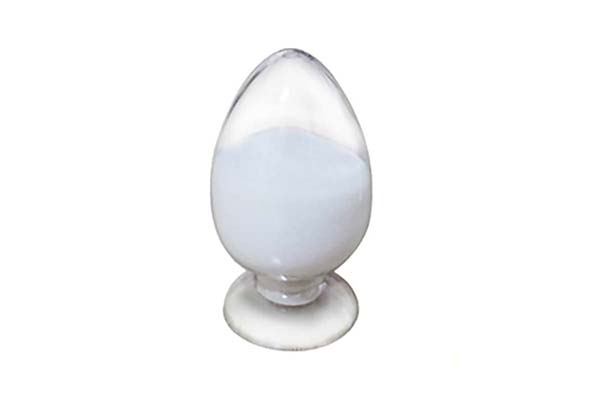
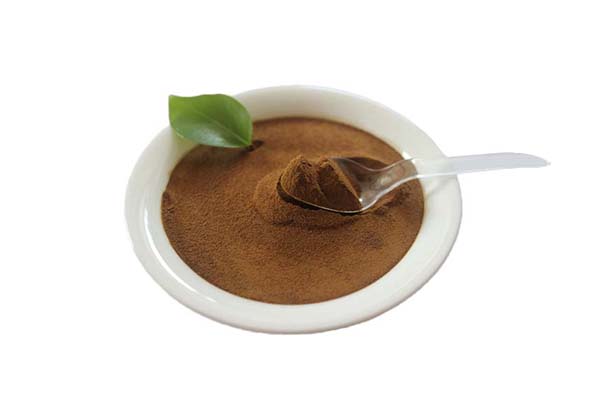
Sodium lignosulfonate is a water-soluble anionic polymer, mainly produced by sulfonation and neutralization of natural lignin from the sulfite pulping process. Its appearance is typically yellowish-brown to dark brown powder.
As a naturally derived, renewable modified product, sodium lignosulfonate is primarily used in industry as a dispersant, binder, and surfactant. It does not replace the functions of core additives but provides auxiliary roles in specific applications.
II. Key Properties
Good water solubility: Dissolves relatively quickly in cold water to form stable colloidal solutions.
Surface activity: Reduces the surface tension of water, providing certain wetting, penetrating, and emulsifying abilities.
Dispersing performance: Adsorbs onto solid particle surfaces to prevent reagglomeration, suitable for various suspension systems.
Binding effect: Provides certain forming adhesion for powdery materials, useful in granule manufacturing.
Good compatibility: Can be used with various inorganic salts, dyes, pesticide adjuvants, etc.
Natural origin: Made from lignin in wood or straw, classified as a bio-based chemical product.
III. Main Application Areas
1. Concrete Admixtures
Can be used as a component of ordinary water reducers (plasticizers) to improve the flowability of concrete mixtures.
Provides dispersing effects on cement particles, helping to reduce mixing water while maintaining the same slump.
Within common dosage ranges, shows no significant adverse effects on concrete strength development.
2. Dye and Pigment Industry
Used as a dye filler and dispersant to help disperse dyes or pigments evenly in water.
Suitable for the commercial processing of vat dyes, disperse dyes, etc.
3. Agriculture and Feed
Serves as a granulation binder for trace element fertilizers to improve granule formation rates.
Used as a dispersant and wetting agent for wettable pesticide powders.
Can be used as a pellet binding aid in feed to help form powdery feed into pellets.
4. Ceramics and Refractory Materials
Acts as a temporary binder in ceramic bodies to improve green strength.
Provides certain deflocculating or grinding aid effects on slurries.
5. Coal-Water Slurry and Oilfield Chemicals
Used as a dispersant in coal-water slurry preparation to reduce slurry viscosity.
Used as a thinner or stabilizer in some oilfield chemicals.
6. Leather and Adhesives
Can be used as part of chrome tanning aids or retanning agents.
Used as a filler or tackifier in some rubber and adhesive formulations.
IV. Usage Considerations
Not a single-function additive: Sodium lignosulfonate is typically used together with other auxiliaries and does not replace primary functional ingredients.
Performance depends on system conditions: Its dispersing and binding effects are influenced by pH, temperature, water quality, and other components. Pre-use small-scale testing is recommended.
Performance varies by grade: Industrial sodium lignosulfonate products differ in raw material source, sulfonation degree, and molecular weight distribution. The appropriate grade should be selected accordingly.
Storage conditions: Store in a dry, cool, well-ventilated area to avoid caking due to moisture absorption.