
Construction-grade HPMC, or hydroxypropyl methylcellulose, is a functional additive commonly used in dry-mix mortar and construction chemical formulations. It is applied in tile adhesive, wall putty, plastering mortar, thermal insulation mortar, self-leveling compounds, gypsum-based products, and related systems. Its main functions include water retention, thickening, workability adjustment, open-time support, and sag-control assistance. This article explains its basic properties, application areas, working mechanisms, selection points, and common use considerations.
CONTENTS
|
1. What Is Construction-Grade HPMC?
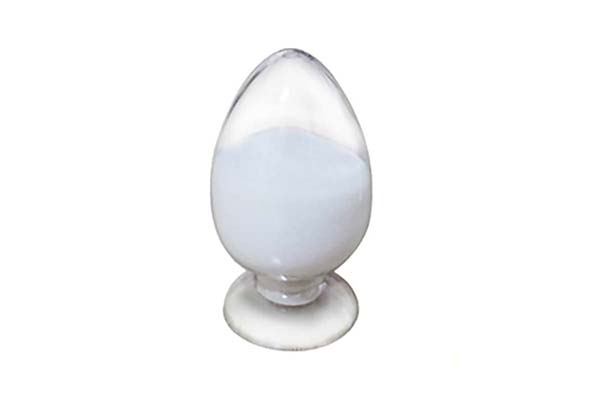
HPMC is the abbreviation for hydroxypropyl methylcellulose. It is a non-ionic cellulose ether and is normally supplied as a white or off-white powder. After being dispersed and hydrated in water, it changes the viscosity and water-handling behavior of the liquid phase in cement-based, gypsum-based, and other mineral binder systems.
In dry-mix mortar, HPMC is used as a functional raw material rather than as a finished construction product. Although the dosage is generally low compared with the main mineral components, it can influence mortar consistency, water retention, application feel, open time, anti-sag behavior, and mixing uniformity.
Typical Functions: Water retention, viscosity adjustment, improved troweling and spreading, support for workable time, and assistance in reducing sagging or slipping during vertical application. |
2. Core Performance Parameters of Construction-Grade HPMC
HPMC performance varies with raw materials, substitution level, production process, and grade design. The following items are general selection references. Product specifications should be compared under the same test conditions and confirmed by technical data and batch inspection results.
Parameter | Typical Description |
Product Name | Hydroxypropyl Methylcellulose (HPMC) |
Appearance | White or off-white powder |
Viscosity Range | Common commercial grades: approximately 400-200,000 mPa.s |
Moisture | Varies by grade; refer to the test report |
Ash Content | Depends on product grade and production process |
pH | Generally near neutral; refer to the test result |
Main Functions | Water retention, thickening, and workability adjustment |
Common Packaging | 25 kg per bag |
• Water retention: helps reduce rapid water loss into absorbent substrates or the surrounding air.
• Thickening: adjusts mortar consistency and supports system stability.
• Workability: can improve troweling, spreading, plastering, and application feel.
2.1 Viscosity
Viscosity is one of the parameters commonly considered when selecting HPMC. Different viscosity grades produce different thickening effects and can change flow, application resistance, and handling. Lower-viscosity grades are often evaluated for systems that need to retain more flow, while medium- and higher-viscosity grades are commonly tested in tile adhesive, wall putty, plastering mortar, and thermal insulation mortar.
Test Note: HPMC viscosity is affected by solution concentration, test temperature, viscometer type, spindle, rotation speed, and sample preparation. Comparisons are meaningful only when the test conditions are consistent. |
2.2 Water Retention
Water retention is an important property of HPMC in dry-mix mortar. After application, part of the mixing water may be absorbed by the substrate or lost to the air. HPMC helps slow this movement and can provide additional time for mortar application and binder hydration.
2.3 Ash Content and Gel Temperature
Ash content indicates the inorganic residue remaining after high-temperature treatment. Gel temperature is related to substitution characteristics and grade design. Neither parameter should be used alone to determine suitability. Viscosity, water retention, dissolution behavior, workability, and formulation compatibility should also be considered.
3. Main Application Areas
Construction-grade HPMC is used in a range of cement-based and gypsum-based products. Each application has different requirements for viscosity, water retention, dissolution speed, air entrainment, and dosage.
1 Tile Adhesive Used to adjust water retention, open time, application feel, and anti-slip behavior. | 2 Wall Putty Used to improve water retention, consistency, and troweling properties. |
3 Plastering Mortar Helps control consistency and reduce rapid water loss during application. | 4 Gypsum Products Applied in gypsum putty, joint compounds, bonding gypsum, and plastering systems. |
3.1 Tile Adhesive
In tile adhesive formulations, HPMC is used to adjust water retention, open time, workability, and anti-slip behavior. A suitable grade can help the mixed adhesive maintain a consistent texture for spreading, combing, and tile adjustment. Selection should consider tile size, substrate absorption, cement type, aggregate grading, polymer powder content, climate, and target open time.
3.2 Wall Putty
HPMC is used in interior and exterior wall putty to support water retention, thickening, and troweling. A dosage that is too low may not provide the intended handling, while an excessive dosage may make the paste too viscous and may affect application or sanding behavior.
3.3 Plastering and Thermal Insulation Mortar
In cement-based plastering mortar, HPMC helps adjust water retention and application consistency. For machine-applied systems, pumping, spraying, and equipment compatibility should also be checked. In insulation adhesive and base-coat mortar, HPMC is commonly used together with redispersible polymer powder, fibers, and other functional additives.
3.4 Self-Leveling Compounds and Gypsum Products
Self-leveling compounds require a balance between flow, stability, bleed control, deaeration, and surface condition. HPMC grade and dosage should therefore be controlled. In gypsum-based putty, joint compounds, bonding gypsum, and plastering materials, HPMC is used to adjust water retention, consistency, and workable time.
4. How HPMC Works in Mortar
4.1 Water Retention HPMC helps slow water movement into absorbent substrates or the surrounding air, supporting application time and binder reaction. | 4.2 Thickening After hydration, HPMC increases liquid-phase viscosity and can help the mortar remain more uniform and stable. | 4.3 Workability A suitable grade can improve lubrication, troweling, spreading, plastering, and vertical application behavior. |
4.4 Open-Time Support
By reducing rapid surface water loss, HPMC can support a practical open time in tile adhesive, wall putty, and plastering mortar. Open time also depends on binder chemistry, substrate absorption, application thickness, temperature, humidity, and other additives.
4.5 Sag and Slip Control
In vertical applications, HPMC changes the rheology and consistency of the mortar and can help reduce sagging or tile slip. When stronger anti-slip behavior is required, starch ether or other rheology modifiers may be evaluated together with HPMC.
5. Use with Other Mortar Additives
• With Redispersible Polymer Powder HPMC mainly adjusts water retention, viscosity, and workability; polymer powder mainly contributes to bonding and flexibility-related properties. | • With Starch Ether The combination can be used to further adjust thixotropy, anti-slip behavior, and application feel. | • With Defoamer A compatible defoamer may be used to adjust bubbles, air content, surface appearance, and density-related behavior. |
Formulation Note: The formulation should be tested with the actual cement, gypsum, fillers, aggregate grading, production equipment, application method, and local climate. |
5.1 With Cellulose Fiber and Retarder
Cellulose fiber can form a fiber network that influences water handling, sag control, and application stability. Retarders may be used in selected gypsum systems, self-leveling products, or formulations that require additional setting-time adjustment. Because each additive has a different function, the dosage and interaction should be evaluated separately.
6. How to Select a Suitable Construction-Grade HPMC
• Select by application: Tile adhesive, wall putty, plastering mortar, self-leveling compounds, and gypsum systems have different performance priorities.
• Select by viscosity range: Higher viscosity normally provides more thickening, while lower viscosity may have less influence on flow.
• Select by target performance: Identify whether the main requirement is water retention, open time, sag control, troweling, or flow balance.
• Confirm by formulation trials: Test the HPMC with the actual cement, filler, sand, polymer powder, and other additives.
Application | Key Properties to Evaluate |
Tile Adhesive | Water retention, open time, workability, and anti-slip behavior |
Wall Putty | Troweling, water retention, consistency, and sanding behavior |
Plastering Mortar | Water retention, adhesion to substrate, and sag resistance |
Self-Leveling Compound | Flow, stability, bleed control, and deaeration |
Gypsum Products | Water retention, consistency, workable time, and set balance |
6.1 Dissolution and Batch Consistency
Dissolution speed and dispersion influence mixing behavior and mortar uniformity. Poor dispersion can lead to lumps or uneven local thickening. Product documents, test methods, batch consistency, packaging, and storage conditions should be reviewed during supplier evaluation.
6.2 Laboratory and Site Trials
Before routine production, evaluate initial consistency, water retention, open time, anti-slip behavior, troweling, mixing response, surface drying, setting time, and relevant mechanical properties. Cement, sand, and fillers vary by region, so the same HPMC grade may perform differently in different formulations.
7. Use and Storage Considerations
1. Dry blend before adding water: Mix HPMC thoroughly with cement, sand, calcium carbonate, and other powders before adding water to reduce local lump formation.
2. Determine dosage by testing: Required dosage changes with viscosity grade, binder, filler, water demand, climate, and application method.
3. Review interactions with other additives: Polymer powder, starch ether, defoamer, retarder, and air-entraining agents can all change mortar behavior.
4. Protect from moisture: Store sealed bags in a cool, ventilated, dry place and reseal opened bags promptly.
8. Frequently Asked Questions (FAQ)
Q1: What does construction-grade HPMC do in tile adhesive? A: It is commonly used to adjust water retention, open time, workability, and anti-slip behavior. |
Q2: Is construction-grade HPMC used only in wall putty? A: No. It is also used in tile adhesive, plastering mortar, insulation mortar, self-leveling compounds, gypsum products, and related systems. |
Q3: Is a higher HPMC viscosity always more suitable? A: No. Higher viscosity provides more thickening but can reduce flow or increase application resistance. Selection should match the formulation and application method. |
Q4: Is the HPMC dosage fixed? A: No. The suitable dosage depends on the grade, raw materials, water demand, target properties, and site conditions. |
Q5: Can HPMC be used with other mortar additives? A: Yes. It is commonly combined with redispersible polymer powder, starch ether, defoamer, fibers, and setting-control additives, subject to formulation testing. |
Need Product Information for Construction-Grade HPMC? Shenyang Xingzhenghe Chemical Co., Ltd. supplies construction-grade HPMC and related dry-mix mortar additives for tile adhesive, wall putty, plastering mortar, insulation mortar, self-leveling compounds, and gypsum-based products. Product grade and dosage should be confirmed through tests using the customer's raw materials, formulation, and application conditions. |