
I. Product Overview
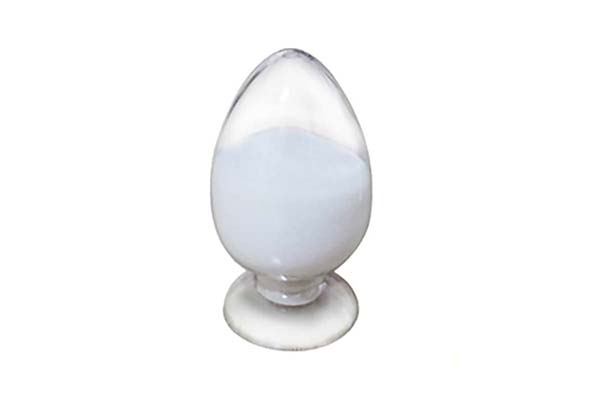
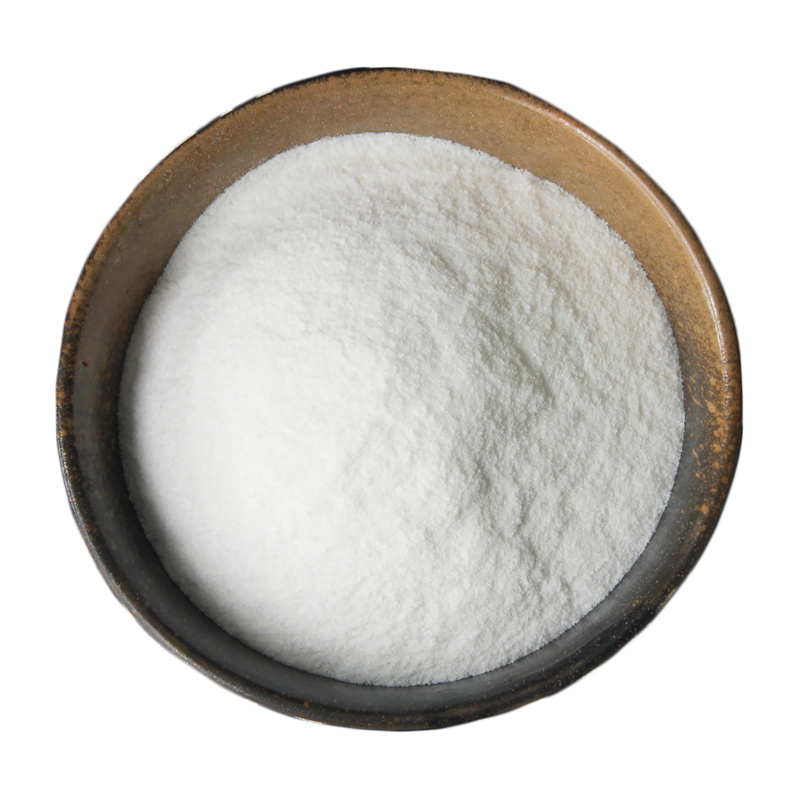
Polyvinyl Alcohol (PVA) is a water-soluble high-molecular polymer, appearing as a white to off-white powder or granules, odorless and tasteless, produced by the alkaline alcoholysis of polyvinyl acetate in methanol solution. The degree of polymerization and the degree of alcoholysis are two core indicators for measuring PVA product performance. The former determines its water solubility and reactivity, while the latter directly affects the viscosity of the aqueous solution and film strength. By adjusting the degree of polymerization and alcoholysis, different product grades with varying properties can be produced.
The molecular chain of PVA contains a large number of hydroxyl side groups, which impart strong polarity and hydrophilicity, enabling it to dissolve in water and form a uniform and stable glue solution. At the same time, the hydroxyl groups also possess high reactivity and can undergo chemical reactions with various functional groups, providing a structural basis for the modification of PVA.
As a high polymer with properties between plastic and rubber, PVA has broad applications in building materials, textiles, chemicals, papermaking, pharmaceuticals, and food packaging. In the building materials sector, PVA and its processed PVA fibers demonstrate good affinity and compatibility with inorganic substrates such as cement and gypsum. The product itself is non-toxic, harmless, and environmentally friendly. Based on these characteristics, PVA is used in various building material products including dry-mix mortar, putty powder, tile adhesives, insulation materials, and repair mortars, playing multiple roles in bonding enhancement, fiber crack resistance, and construction performance improvement.
II. Bonding Performance and Film-Forming Mechanism
The bonding performance of PVA originates from the hydroxyl side groups in its molecular structure. When PVA is added to cement-based materials in the form of an aqueous solution, PVA molecules can swell and dissolve in water, forming a glue solution with a certain viscosity. During cement hydration, PVA molecules gradually migrate to the interface between aggregates and substrates. Their hydroxyl groups can form hydrogen bonds or chemical bonds with active sites on the surface of cement hydration products (such as C-S-H gel and calcium hydroxide), achieving strong bonding between organic polymers and inorganic materials. As water evaporates and cement hydration proceeds, PVA molecules gradually dehydrate and aggregate at the interface, forming a continuous and dense polymer film. On one hand, this film connects aggregate particles to the substrate through physical anchoring; on the other hand, it utilizes the polymer's high toughness and low modulus characteristics to buffer stress concentration at the interface, thereby enhancing overall bonding strength.
In powder building material formulations, PVA powder is mixed with other dry raw materials, and its bonding enhancement function is activated by adding water on-site. Compared with traditional redispersible polymer powders, PVA forms a glue solution with higher viscosity and stronger initial adhesion, making it especially suitable for applications with certain requirements for early bonding strength. Additionally, PVA's hydroxyl groups can form intermolecular hydrogen bonds with other additives such as cellulose ethers, synergistically improving the mortar's water retention and workability.
In practical applications, putty powder with an appropriate amount of PVA shows significantly enhanced adhesion to wall surfaces, reducing the occurrence of peeling and flaking. Tile adhesives with PVA improve the bonding firmness between ceramic tiles and substrates, reducing the risk of hollowing. Repair mortars with appropriate PVA content enhance the bonding effect between new and old interfaces.
PVA also possesses thickening and water-retention properties. Its aqueous solution has a certain viscosity, and when incorporated into mortar, it increases the internal cohesion of the slurry, reducing bleeding and segregation, while slowing down the evaporation rate of water from the system, providing more sufficient time for cement hydration, especially suitable for construction in high-temperature and dry environments.
III. Fiber Reinforcement and Crack Resistance
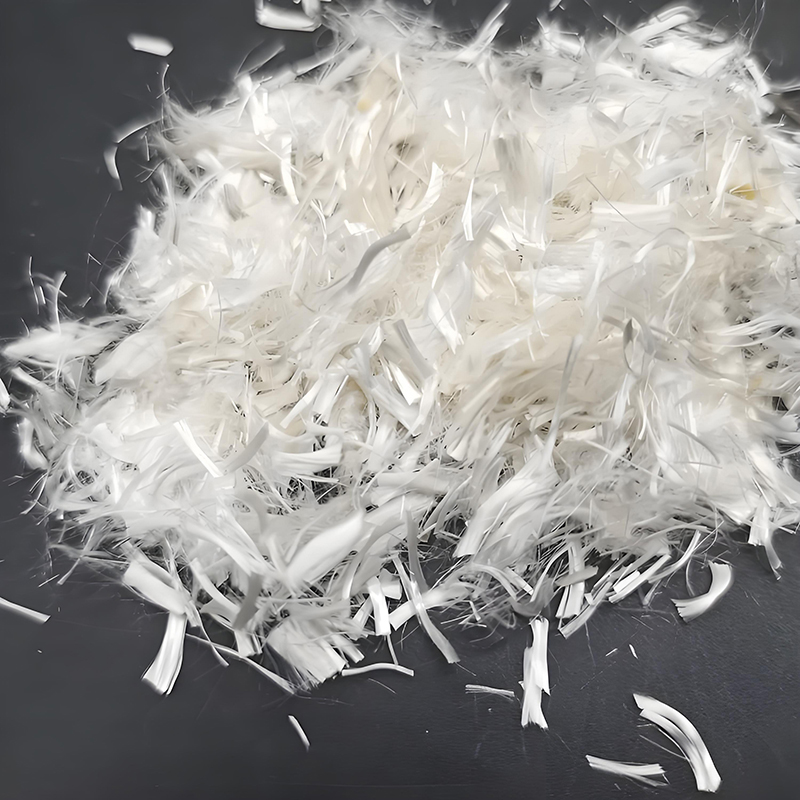
PVA fiber is a synthetic fiber produced from high-polymerization-degree PVA through processes including dissolution, spinning, drawing, heat treatment, and cutting. This fiber features high strength, high modulus, low elongation, wear resistance, acid and alkali resistance, and good weatherability, providing clear reinforcement and toughening effects in cement-based materials.
During the hardening process of cement-based materials, internal shrinkage stress develops due to water evaporation and chemical shrinkage. When this shrinkage stress exceeds the material's tensile strength, micro-cracks or even penetrating cracks form. These cracks not only affect the structural appearance but also serve as pathways for moisture, salts, and harmful substances to penetrate, thereby compromising structural durability. With the incorporation of PVA fibers into cement-based materials, the large number of fibers uniformly distributed within the material can bear a portion of the shrinkage stress, weaken the stress concentration at crack tips, and thus delay or prevent crack propagation.
PVA fibers exhibit high bonding strength with the cementitious matrix, making them less likely to be pulled out under stress. This property enables effective stress transfer, significantly enhancing the mortar's toughness. Meanwhile, the surface of PVA fibers has a certain hydrophilic nature, allowing them to be fully coated by cement paste, improving the density of the interface zone and reducing interface defects between fibers and the matrix.
In underground engineering, tunnel linings, basement slabs, and other structures that remain in humid environments for extended periods, PVA fibers do not mildew, rot, or suffer from insect damage, demonstrating good durability without losing their reinforcement function due to long-term burial. For exterior wall plastering, roof screeding, and other parts exposed to natural environments, mortars with PVA fibers can effectively control crack width when subjected to dry-wet cycles and temperature variations, contributing to extended service life of protective layers.
Furthermore, PVA fibers have a relatively small impact on the workability of concrete mixtures and do not significantly increase water demand or reduce slump within the recommended dosage range, maintaining good construction performance.
IV. Product Selection and Application Matching
PVA products are classified into various models and specifications based on the degree of polymerization and degree of alcoholysis. The degree of polymerization reflects the length of the molecular chain: higher polymerization means longer chains, higher aqueous solution viscosity, and enhanced film strength and toughness; lower polymerization results in better water solubility, lower glue solution viscosity, and stronger permeability. The degree of alcoholysis reflects the extent to which acetyl groups on the PVA molecular chain are replaced by hydroxyl groups. Different degrees of alcoholysis result in variations in dissolution temperature, aqueous solution stability, and affinity for various substrates.
Commonly used grades in the building materials field include Type 1788 (degree of polymerization approximately 1700, degree of alcoholysis approximately 88%) and Type 2488 (degree of polymerization approximately 2400, degree of alcoholysis approximately 88%). Type 1788 can dissolve at room temperature with fast dissolution rate, making it convenient for use and suitable for conventional dry-mix mortar products such as putty powder and tile adhesives. Type 2488 has a higher degree of polymerization, higher aqueous solution viscosity, and higher film strength, making it suitable for repair mortars, interface treatment agents, and other products with higher requirements for bonding performance and toughness. In addition to the above commonly used grades, other specifications such as Type 2088 and Type 2688 may also be selected for some applications. The specific model selection should be determined based on the product formulation system, target performance indicators, and construction conditions.
When selecting PVA products, users are advised to conduct small-batch trials first to verify dispersion uniformity, dissolution effectiveness, bonding strength, and workability in their specific formulations, confirming that requirements are met before proceeding with bulk procurement.
V. Packaging, Storage and Transportation
The standard packaging for PVA products is generally 25 kg paper bags or composite bags, facilitating warehouse management, material handling, and use in automated production lines. Regarding storage, PVA is hygroscopic and should be kept in a cool, dry environment to prevent moisture absorption and caking. Opened products should be used as soon as possible, and unused portions should be sealed for storage to prevent moisture ingress that could compromise product effectiveness. Under normal storage conditions within the shelf life, product performance remains stable. Packaging and transportation support small-batch samples as well as full truckload shipments, with flexible arrangements according to user requirements.