
On construction sites, two types of problems occur frequently: tiles loosening and falling off after a few years, and cracks in exterior insulation leading to water leakage. Behind these issues, there is often one common reason — mortar that is too rigid and not flexible enough.
Ordinary cement mortar becomes hard and brittle after drying. When temperatures change, slight settlement occurs, or vibrations happen, it tends to crack or lose adhesion. Redispersible polymer powder was developed to address this problem. It acts like a flexible connector within the mortar, allowing it to stick firmly while also resisting deformation.
What Is It? The Transformation of a Powder
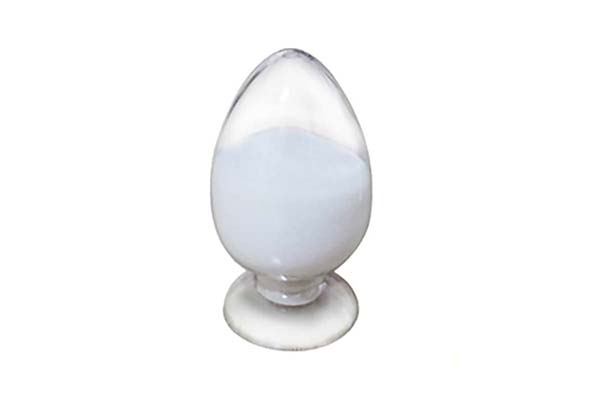
Redispersible polymer powder looks like an ordinary white powder, but its internal structure is quite interesting. It is produced by taking a polymer emulsion (essentially a sticky adhesive emulsion) and processing it through spray drying.
This powder has a key characteristic: when it comes into contact with water, it reverts to an emulsion form. When you add it to mortar mix and add water, the powder particles redisperse, forming stable polymer particles suspended in the water. After the mortar is applied and the water evaporates, these polymer particles fuse together, forming a continuous polymer film within the cement mortar.
In simple terms: in dry form, it lies dormant; with water, it activates; after film formation, it performs its function.
What Does It Actually Do in Mortar?
From a materials perspective, redispersible polymer powder performs three main functions:
First, it improves bond strength.
The bond strength between ordinary cement mortar and smooth substrates (such as concrete walls or the backs of porcelain tiles) is limited. After the polymer powder forms a film, this film interlaces with cement hydration products, noticeably improving adhesion between the mortar and the substrate. In practical terms, this means tiles stay attached more securely and plaster layers are less likely to become hollow.
Second, it increases flexibility.
Cement hydration products form a rigid structure that tends to break under tensile or shear stress. The polymer film embeds itself in the pores and gaps within the cement matrix, creating a composite structure of rigid framework with flexible connections. When the mortar undergoes expansion and contraction due to temperature changes, or when the substrate experiences slight deformation, this flexible film helps absorb stress, delaying or preventing crack formation.
Third, it improves workability.
Mortar with an appropriate amount of polymer powder feels smoother, spreads more easily, and offers a reasonable open time (the period during which adjustments can be made after application). This makes a practical difference for workers on site.
Where Is It Used?
Redispersible polymer powder is not added to every bag of cement. It is used in dry-mix mortar products that require specific performance characteristics. Common applications include:
Tile Adhesives: Especially for porcelain tiles with low water absorption and large-format panels. Ordinary cement mortar struggles to bond these materials effectively, and the polymer powder provides the necessary bond strength and slip resistance.
Exterior Insulation Finishing Systems (EIFS): Both the adhesive mortar for bonding insulation boards and the base coat mortar typically include this additive. The goal is to help the mortar accommodate deformation caused by temperature changes and reduce the risk of cracking.
Fillers and Putties: Particularly for exterior fillers and interior leveling compounds that require some flexibility. Adding polymer powder improves spreadability and surface strength after sanding.
Self-Leveling Mortars: These require good adhesion to the substrate, and floors experience some shrinkage and vibration during use. Flexible connections are beneficial here.
Waterproofing Mortars and Repair Mortars: These applications have higher requirements for bond strength and crack resistance.
What to Consider When Selecting and Storing?
Redispersible polymer powders on the market are primarily based on vinyl acetate-ethylene copolymers. Products from different manufacturers vary in polymer content, glass transition temperature, and particle size distribution.
When selecting a product, consider two factors:
Glass Transition Temperature (Tg) : A lower Tg value indicates better film formation at low temperatures and greater flexibility. For exterior applications, a lower Tg grade is recommended. For interior use, requirements may be less strict.
Bulk Density and Ash Content: These can serve as initial references for assessing purity. A practical way to verify product performance is to conduct small-scale mortar tests.
For storage, because polymer powder is a thermoplastic organic powder, it is sensitive to moisture, pressure, and high temperatures. It should be kept in a cool, dry environment. Once opened, the entire package should ideally be used at once. If the packaging is damaged or storage time is too long, the powder may form lumps. Severe lumping can affect dispersion performance.
How to Evaluate Cost and Value?
Redispersible polymer powder is among the higher-priced components in dry-mix mortar raw materials. Adding it to mortar increases the cost per ton by a certain amount. However, the overall project value comes from reduced rework costs and safety risks associated with hollowing, cracking, and detachment.
For residential renovations, spending a small additional amount per square meter on tile adhesive rather than site-mixed cement mortar can provide years of reliable performance. For exterior wall systems, the durability and safety of the insulation system are directly related to the building's service life.
Summary
Redispersible polymer powder is not a gimmick additive. It has been validated through decades of application, with a clear mechanism and consistent performance. It addresses the inherent brittleness and rigidity of cement mortar, giving an otherwise stiff material the ability to form flexible connections.
If you are selecting dry-mix mortar products, it is worth checking whether the formulation contains redispersible polymer powder. If you are developing mortar formulations, the choice and optimization of polymer powder is an area worth attention.
This unseen flexible component plays a genuine role in improving building quality and durability.