
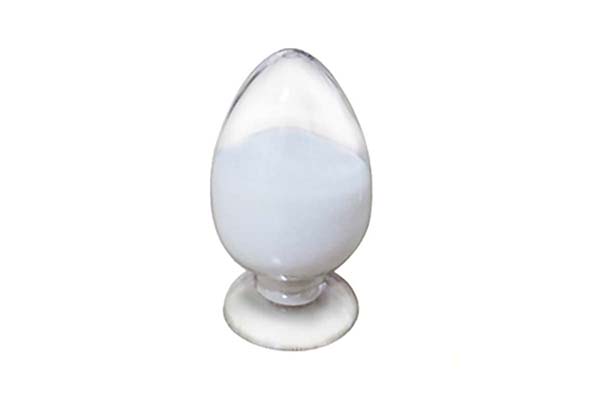
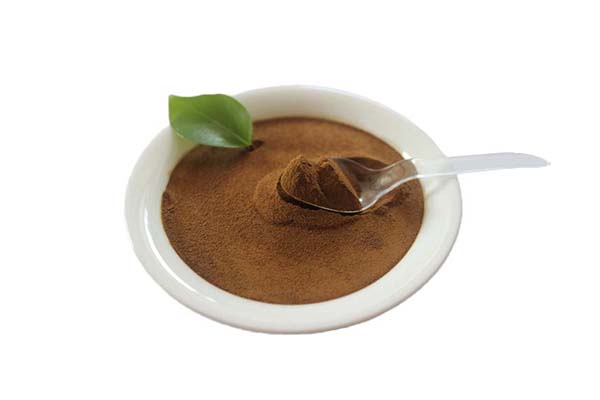
Polycarboxylate superplasticizer, commonly called PCE, helps concrete producers control workability while reducing mixing water. However, different PCE products can produce different results during mixing, transport and placement.
Some products are designed primarily for initial dispersion and water reduction. Others place greater emphasis on maintaining workability over time. Many commercial formulations combine both functions.
Choosing between water-reducing and slump-retaining PCE therefore requires more than comparing the initial slump. The admixture should match the concrete materials, production process, delivery schedule and placement conditions.
This guide explains the differences between these performance priorities and provides a practical approach to selecting and testing PCE for concrete.
1. What Is Water-Reducing PCE?
Water-reducing PCE is formulated with an emphasis on dispersing cementitious particles during mixing.
Cement particles tend to form clusters when mixed with water. PCE helps disperse these particles, allowing the mixture to achieve the required workability with less water.
Depending on the concrete formulation and dosage, a water-reducing PCE may be used to:
- Reduce water demand at a specified workability.
- Increase initial workability at a fixed water content.
- Support concrete production at a lower water-to-binder ratio.
- Adjust fresh concrete flow for the intended placement process.
These effects should be evaluated separately. Increasing slump without reducing water does not demonstrate the same performance as maintaining slump while reducing water.
A product that provides strong initial dispersion also needs to be checked for workability retention. Good initial flow alone does not establish how the concrete will behave after transport or waiting.
2. What Is Slump-Retaining PCE?
Slump-retaining PCE is formulated with an emphasis on maintaining concrete workability over a required period.
Concrete begins changing as soon as cement and water come into contact. Hydration, particle interactions, temperature and moisture conditions can all influence the development of workability.
A slump-retaining PCE helps manage this change so that the concrete remains suitable for discharge and placement within the planned working period.
Depending on the product and concrete system, a slump-retaining formulation may provide initial dispersion, a more gradual dispersing effect, or a combination of both.
Slump retention should not be treated as identical to setting retardation. Maintaining workability and controlling setting time are related considerations, but one measurement cannot replace the other.
A concrete mixture may retain suitable workability while showing an unacceptable setting delay. For this reason, both fresh properties and setting behavior need to be included in product evaluation.
3. Water-Reducing vs Slump-Retaining PCE: Main Differences
The terms describe performance priorities rather than two completely separate product categories.
| Evaluation item | Water-reducing PCE emphasis | Slump-retaining PCE emphasis |
|---|---|---|
| Main objective | Initial dispersion and reduced water demand | Workability maintenance during the required working period |
| Initial slump | Important for assessing immediate response | Must still meet mixing and discharge requirements |
| Slump over time | Needs verification under actual conditions | A central part of performance evaluation |
| Water reduction | A primary selection consideration | Should be measured alongside retention |
| Suitable production conditions | Processes requiring initial flow and controlled water content | Processes involving transport, waiting or extended placement |
| Selection concern | Strong initial flow may not provide sufficient retention | Retention alone may not provide sufficient initial dispersion |
| Additional checks | Stability, air content, setting and strength | Stability, air content, setting and strength |
A suitable commercial PCE may provide both water reduction and slump retention. Selection should therefore focus on measured concrete performance rather than the product description alone.
4. How Transport and Placement Time Affect Selection
The required working period includes more than the time spent driving from the batching plant to the construction site.
Concrete producers should also consider:
- Mixing and loading time.
- Waiting before the truck leaves the plant.
- Travel time.
- Site access and inspection.
- Queuing before discharge.
- Pumping and placement duration.
A short delivery route can still involve a long working period when the site has limited access or intermittent placement.
For a relatively short and predictable production cycle, initial dispersion may receive greater attention. When the concrete must remain workable through transport and waiting, workability retention becomes a stronger selection priority.
The target should be a defined workability range at the relevant stages of production. Requesting “long slump retention” without specifying the time, temperature and required slump makes product comparison difficult.
5. Selecting PCE for Different Concrete Applications
Ready-Mix Concrete
Ready-mix concrete often requires a balance between initial workability and retention during delivery.
The concrete should be workable enough for mixing and loading while remaining suitable for discharge and placement later.
Product evaluation should reflect the actual delivery cycle. A laboratory test performed immediately after mixing cannot show whether the mixture will remain suitable at the construction site.
Precast Concrete
For some precast operations, the interval between mixing and placement is relatively controlled.
Initial dispersion, mold filling, surface appearance, setting behavior and early strength may all influence selection. The required retention period should still account for production interruptions and placement time.
A longer retention period does not automatically provide an advantage if it interferes with the intended production schedule.
Pumped Concrete
Pumped concrete requires suitable flow and cohesion throughout the delivery and pumping process.
Slump alone does not describe all aspects of pumpability. Concrete with a high slump can still show poor cohesion or excessive resistance to flow.
Evaluation should include observations of mixture stability and, where practical, a pumping trial using representative equipment and conditions.
High-Flow and Self-Compacting Concrete
For high-flow concrete, maintaining flow must be considered together with resistance to separation.
Where slump flow is the appropriate measurement, the evaluation should also include relevant stability and flow behavior checks. Conventional slump testing alone may not provide sufficient information for these mixtures.
6. Why Temperature and Raw Materials Matter
A PCE that performs satisfactorily in one concrete mixture may respond differently when materials or temperature change.
Higher concrete temperature can accelerate workability loss in many systems. A retention test performed under cool laboratory conditions may therefore fail to represent production during hot weather.
Testing should record the concrete temperature as well as the surrounding conditions.
Raw materials also influence performance. Relevant variables include:
- Cement source and batch.
- Cement fineness and composition.
- Fly ash, slag and other supplementary cementitious materials.
- Sand grading and fine-particle content.
- Clay contamination in aggregates.
- Aggregate moisture and absorption.
- Mixing water and other admixtures.
For example, a change in sand moisture can change the actual water entering the mixer. If this is not corrected, the observed slump difference may be incorrectly attributed to PCE performance.
When evaluating a new admixture, keep these variables controlled and document any changes.
7. Can Water-Reducing and Slump-Retaining PCE Be Blended?
Compatible water-reducing and slump-retaining PCE products may be blended to adjust the balance between initial dispersion and workability retention.
This approach can be useful when one component provides the required initial response while another supports the working period.
However, there is no universal blending ratio.
The result depends on the characteristics of both products, their concentration, total dosage, concrete materials and testing conditions. Changing the blend can also affect properties beyond slump retention.
A practical evaluation should check:
- Initial workability.
- Workability at the required time points.
- Bleeding and segregation.
- Air content.
- Setting behavior.
- Strength at specified ages.
For liquid blends, storage compatibility should also be assessed. Separation, precipitation or changes during storage can affect subsequent dosing and performance.
Blending should follow the supplier’s compatibility guidance and be verified through controlled trials.
8. Why Dosage Comparisons Need a Clear Basis
Two PCE products cannot be compared reliably by addition percentage alone.
One liquid product may contain a different proportion of solids from another. The same mass of supplied product can therefore introduce a different amount of solids and water.
Before comparing dosages, clarify:
- Whether the dosage refers to the supplied liquid, powder or another stated basis.
- Whether the percentage is based on cement or total cementitious materials.
- The solids content of each product.
- Whether water introduced by the admixture is included in the water balance.
For liquid products, a stated solids content can help explain concentration differences, but equal solids dosage does not guarantee equal performance. Product chemistry and compatibility still matter.
Record the dosage basis consistently throughout the trial so that the results can be reproduced.
9. A Practical Trial Method for PCE Selection
Begin by defining the concrete requirements before adjusting the admixture.
These requirements should include the target workability at mixing and discharge, the necessary working period, the intended water-to-binder ratio, and any setting or strength requirements.
Then prepare controlled trials using representative production materials.
When comparing different PCE products, choose a clear comparison method. For example, evaluate the dosage needed to achieve similar initial workability at a fixed water content, then compare how each mixture changes over time.
When comparing blending proportions, keep the total dosage on the stated basis constant during the initial screening. Further dosage adjustments can follow after the blend response is understood.
A trial record can include the following items:
| Trial item | Information to record |
|---|---|
| Concrete materials | Cement source, supplementary materials and aggregate details |
| Mix proportions | Binder, water, sand and coarse aggregate quantities |
| Admixture | Product identity, concentration and dosage basis |
| Temperature | Concrete temperature and ambient conditions |
| Initial workability | Slump or slump flow, as appropriate |
| Workability over time | Measurements at intervals matching the delivery and placement cycle |
| Stability | Bleeding, segregation and visual cohesion |
| Other fresh properties | Air content and density where required |
| Setting behavior | Measurements relevant to the production schedule |
| Strength | Results at the specified testing ages |
Workability measurements might be scheduled at initial mixing and at 30, 60, 90 or 120 minutes, depending on the application. These are example observation points, not a standard retention guarantee.
The storage, agitation and remixing procedure between measurements should remain consistent. Unrecorded water additions can make the comparison misleading.

10. Common Mistakes When Choosing PCE
Selecting Only by Initial Slump
A mixture may show suitable initial slump but become difficult to discharge later. Retention needs to be measured through the required working period.
Requesting Retention Without Defining the Conditions
A retention requirement should state the target time, temperature, concrete materials and acceptable workability range.
Assuming Higher Dosage Will Solve Every Problem
Increasing dosage can change stability, air content, setting and cost. It should not replace checks of water balance, materials and compatibility.
Comparing Products with Different Water Contents
Changes in aggregate moisture or water introduced by liquid admixtures can distort the apparent difference between products.
Ignoring Setting and Strength
A mixture that remains workable for the required period still needs to meet the project’s setting and hardened concrete requirements.
Using One Trial as a Production Guarantee
Trials should represent expected production conditions. Where materials or temperatures vary substantially, additional verification may be necessary.
11. What Information Should You Provide Before Requesting a PCE Sample?
Providing application details helps the supplier recommend a suitable starting point for testing.
Useful information includes:
- Concrete application and strength requirements.
- Cement type and source.
- Supplementary cementitious materials and their proportions.
- Mix proportions and water-to-binder ratio.
- Current admixture and dosage basis.
- Target initial slump or slump flow.
- Required workability at discharge.
- Transport, waiting and placement time.
- Typical concrete temperature.
- Current problems, such as rapid slump loss, bleeding or delayed setting.
If a current trial record is available, it can provide a clearer basis for discussion than a general request for stronger water reduction or longer retention.
12. Matching PCE Performance to Your Concrete
Choosing PCE involves balancing initial dispersion, water demand, workability retention and the other properties required by the application.
Water-reducing performance deserves attention when controlling water content and achieving the required initial workability. Slump-retaining performance becomes particularly relevant when concrete must remain workable through transport, waiting and placement.
These requirements often overlap. The appropriate product or blend should be selected through trials using representative materials and production conditions.
Shenyang Xingzhenghe Chemical Co., Ltd. supplies polycarboxylate superplasticizer products for concrete applications. Share your mix proportions, working period and target fresh concrete properties to discuss a suitable sample for evaluation.