
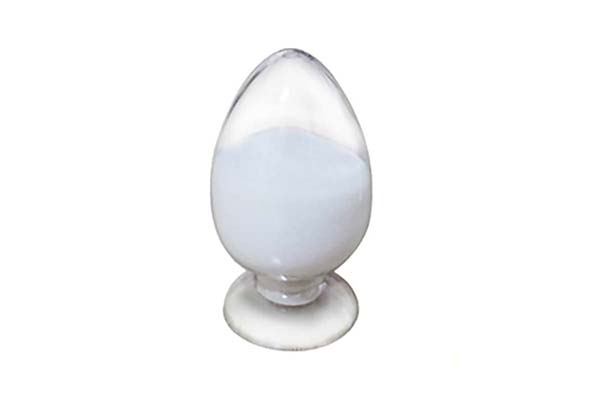
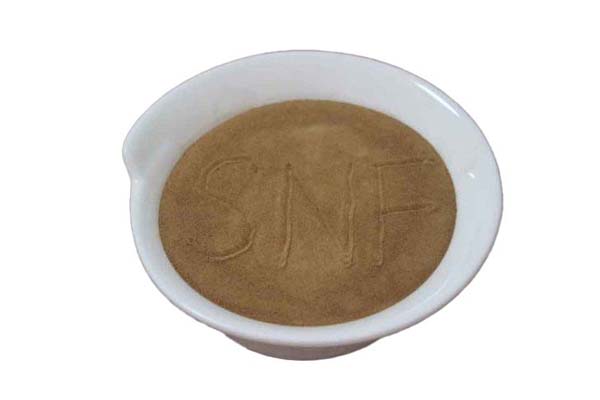
Lignin, as a versatile natural polymeric material, finds extensive applications in construction, agriculture, chemical engineering, and other fields. To ensure optimal performance during use, proper storage methods are crucial. This article aims to provide detailed guidelines on storage conditions and shelf life for lignin products.
I. Proper Storage Methods: Maintain Dryness and Stability
The core principles for storing lignin products are moisture prevention, light avoidance, and sealing. Following these steps effectively extends product lifespan:
1. Maintain a Dry, Well-Ventilated Environment
Lignin exhibits hygroscopic properties. Humid conditions are the primary cause of product caking and performance degradation.
Requirements: Storage areas must maintain low humidity and be dry and well-ventilated. Action: Use dehumidifiers as needed to ensure warehouse dryness.
2. Avoid Direct Sunlight and High Temperatures
Prolonged exposure to UV rays and high temperatures may accelerate chemical degradation of lignin, affecting its physical and chemical properties.
Requirement: Store in shaded, light-protected locations. Action: Avoid outdoor storage; warehouses should have adequate insulation and sun-blocking conditions.
3. Maintain Strictly Sealed Packaging
Minimize product contact with atmospheric moisture and oxygen during storage.
Requirement: Store products in original sealed packaging (typically moisture-proof bags). Action: Immediately reseal opened but partially used products by tightly tying the bag opening or transferring to airtight containers.
4. Elevate Storage Off the Ground
Direct ground contact may cause moisture accumulation at the bottom of packaging.
Requirement: Use pallets, pallet boards, or shelving to elevate products off the ground.
Action: Maintain clean, dry stacking areas.
5. Keep Away from Prohibited Substances
Although lignin exhibits relative stability, precautions against cross-contamination or potential reactions remain essential.
Requirement: Avoid co-storage with strong oxidizing agents, strong acids, strong alkalis, or flammable/explosive materials.
II. Shelf Life: Typically 1 to 2 Years
The shelf life of lignin is not fixed and depends on multiple factors, including product type (e.g., sodium lignosulfonate, calcium salts), production process, packaging materials, and most critically—storage conditions.
Typical shelf life: Under ideal storage conditions (dry, cool, sealed), most industrial-grade lignin products have a standard shelf life of 12 to 24 months (1 to 2 years). Influencing Factors: Moisture Exposure: Once the product absorbs moisture and clumps, its solubility and dispersibility are significantly reduced, rendering the shelf life invalid. High Temperature: Prolonged exposure to high temperatures may shorten the shelf life. Pre-Use Inspection: Even within the stated shelf life, it is recommended to conduct a visual inspection and simple performance test before use. If the product shows no visible clumping, off-odors, mold growth, or significant color changes, and maintains good flowability, it is generally safe for normal use.
Proper storage of lignin products is crucial for maintaining performance and extending service life. The key lies in providing a dry, cool, and sealed environment. By following these simple guidelines, users can effectively protect their investment and ensure consistent, reliable results during application.