
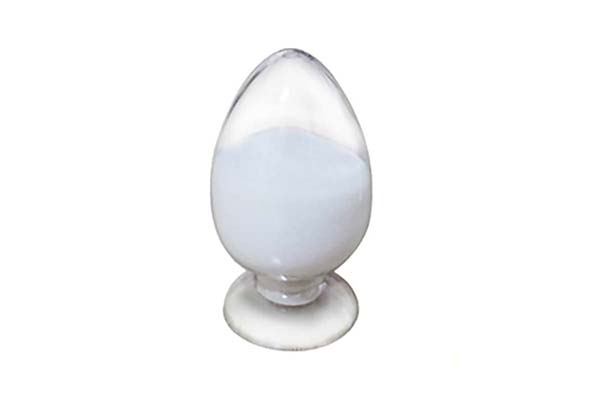
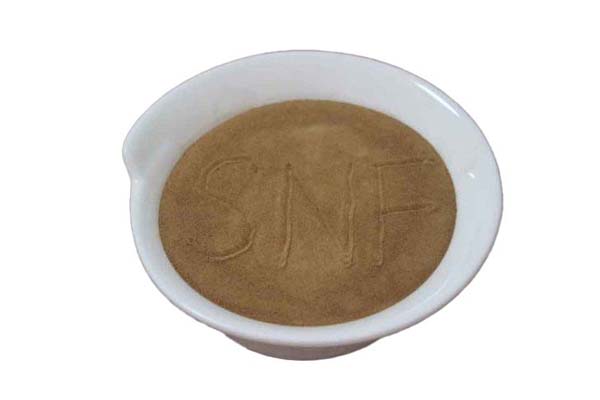
In the lignin market, prices range from several thousand to tens of thousands of yuan per ton, and even higher, reflecting enormous variation. This phenomenon often confuses people: Why such a huge price difference for the same lignin? The core reasons lie in the product's origin, purity, production process, and its final application field. Low-cost lignin is typically an industrial byproduct containing higher levels of impurities, while premium products are deeply refined, high-purity functional materials engineered for specific high-performance applications.This article will delve into the reasons behind these price differences and elucidate the unique value of high-quality lignin products.
I. Unraveling Low-Cost Lignin: Industrial Byproducts and Basic Applications
The “low cost” of inexpensive lignin products on the market primarily stems from the following aspects:
1. Derived from Paper Industry Byproducts
The most common source of low-cost lignin is black liquor from paper mills—a waste product generated during pulp production. Simple recovery and processing of these byproducts naturally keep costs low.
2. Traditional, Extensive Production Processes
These products are typically extracted using conventional methods like sulfonation (lignosulfonates) or the sulfate process (Kraft lignin). These techniques prioritize large-scale, low-cost production, making it difficult to thoroughly remove impurities such as hemicellulose, inorganic salts, ash, and residual chemicals.
3. Low Purity and High Impurity Content
Low-cost lignin often exhibits low purity, sometimes containing only 60% to 80% lignin, with the remainder consisting mainly of sugars and inorganic salts. These impurities compromise product performance stability in precision applications.
4. Limited Performance Requirements in Application Scenarios
Low-cost lignin is primarily used in basic industrial sectors with minimal purity requirements, such as:
Construction: As concrete admixtures to enhance workability.
Agriculture: As soil conditioners or pesticide dispersants.
Basic adhesives: For pressing particleboard and similar materials.
In these sectors, cost is the primary consideration, with relatively low demands for refined performance characteristics.
II. The Value of High-Quality Lignin: Refining, Purification, and Functionalization
In stark contrast to low-cost lignin, high-quality, refined lignin products command premium prices due to significant technological investment and unique performance advantages.
1. Advanced Extraction and Deep Purification Technologies
High-quality lignin employs more advanced, environmentally friendly extraction methods (such as organic solvent extraction, ionic liquid extraction, or supercritical extraction) and multi-stage purification processes. These technologies aim to:
Maximizing impurity removal: Effectively separating ash, inorganic salts, and residual sugars to ensure lignin content exceeding 95%.
Preserving or optimizing structure: Precisely controlling extraction conditions to maintain the natural molecular integrity of lignin or perform targeted modifications to meet specific functional requirements.
2. Superior Solubility and High Reactivity
Through refined processing, high-quality lignin exhibits enhanced water solubility or dispersibility in specific organic solvents. Concurrently, its surface functional groups (e.g., hydroxyl, methoxyl) are preserved or optimized, significantly boosting chemical reactivity and bioavailability.
3. Tailored for High-Performance and High-Value Applications
High-quality lignin serves as an indispensable key material across numerous emerging high-tech fields:
New Energy Sector: Used as a precursor for high-performance lithium battery anode materials.
Biomaterials: Employed in producing bio-based polymers, medical dressings, or sustained-release carriers.
Specialty Chemicals: Serves as an efficient emulsifier, chelating agent, UV absorber, or antioxidant for cosmetics and pharmaceutical industries.
Premium Coatings and Composites: Enhances material mechanical properties and thermal stability.
In these sectors demanding exceptional performance stability, safety, and reliability, the value delivered by high-quality lignin far exceeds its cost.
4. Stringent Quality Control and Batch Consistency
The production process of premium products adheres to rigorous quality management systems. From raw material screening to finished product testing, each step undergoes precise control and data documentation, ensuring consistent quality across every batch and eliminating the “batch variation” issues common in low-cost products.
Price differences in the lignin market fundamentally reflect variations in quality, purity, functionality, and application domains.
Low-cost lignin meets the cost requirements of basic industries but cannot fulfill applications demanding stringent performance standards.
While premium-grade lignin carries a higher price tag, it embodies advanced production technology and consistent performance, positioning it as a key innovative material for high-value-added applications and sustainable development.
Selecting the appropriate lignin product requires balancing your specific requirements and budget. For companies prioritizing product performance, stability, and innovative value, investing in high-quality, refined lignin often yields more reliable outcomes and broader market prospects.