
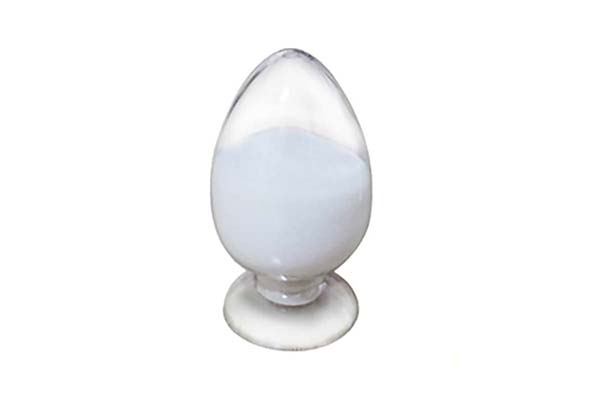
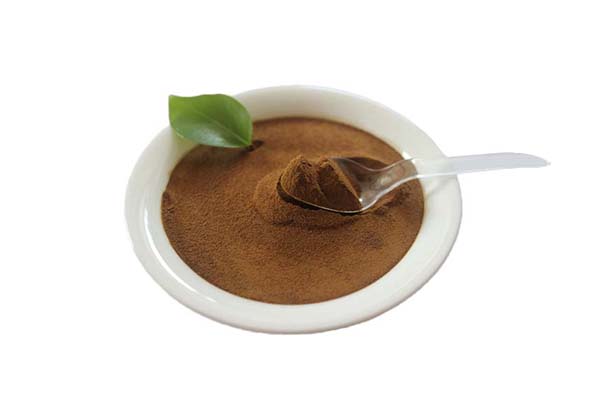
In modern dry-mix mortars, daily chemicals, and various industrial manufacturing sectors, a crucial yet invisible additive plays a foundational role: HPMC (Hydroxypropyl Methylcellulose). For global procurement managers, technical engineers, and distributors, selecting the right grade of HPMC impacts more than just the quality of the end product; it directly determines construction efficiency, workability, and overall cost control.
What is HPMC?
HPMC, short for Hydroxypropyl Methylcellulose, is a non-ionic cellulose ether derived from refined cotton through a series of chemical modifications.
In industrial formulations, HPMC acts primarily as a water retention agent and a thickener. When incorporated into dry-mix mortars, wall putties, or tile adhesives, it forms a microscopic polymeric network that binds water molecules. This mechanism slows down the rate at which moisture is absorbed by porous substrates (such as brick walls or concrete) or lost to evaporation. Consequently, cementitious and gypsum-based materials maintain sufficient moisture during hydration, achieving the targeted bonding strength without premature drying.
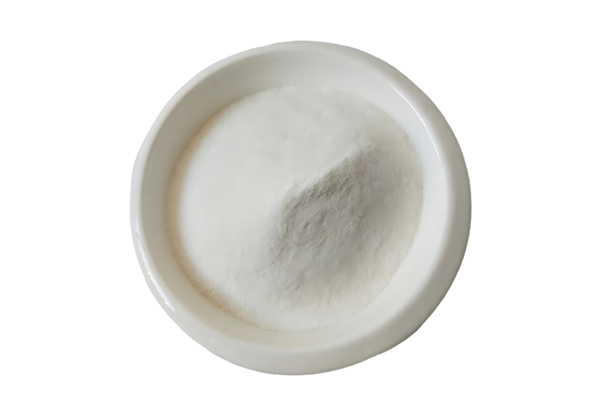
Performance of HPMC across Key Applications
HPMC is utilized across diverse industrial applications, offering distinct functional benefits in each sector:
1. Wall Putty and Render Mortars
In wall putties and plastering mortars, HPMC addresses two primary challenges: cracking and sagging.
Water Retention: It prevents the substrate from rapidly absorbing water, avoiding issues like shrinkage cracks, powdering, and insufficient mechanical strength caused by rapid dehydration.
Improved Workability: It imparts a smooth, creamy consistency to the mortar, reducing manual effort during troweling. Its shear-thinning behavior provides robust anti-sagging performance, preventing wet putty from slumping under gravity.
2. Tile Adhesives and Bonding Mortars
Tile adhesives require extended open time (the window of time a tile can be adjusted after mortar application) and high slip resistance. HPMC extends this adjustable open time significantly, ensuring that heavy or large-format tiles remain firmly in position without sliding downwards post-installation.
3. Personal Care and Detergent Industry
In liquid products such as shampoos, body washes, and liquid soaps, HPMC serves as a stable thickener and rheology modifier. It delivers appropriate viscosity, maintains excellent clarity, and contributes to the stability and texture of the generated foam.
Technical Specifications: Decoding HPMC Parameters
Different application environments require distinct formulation matching. Below are the core technical indicators to consider when evaluating HPMC grades:
| Specification | Typical Range / Feature | Impact on Practical Application |
| Appearance | White or off-white powder | Affects the color purity and visual quality of final formulations. |
| Purity (Ash Content) | Typically maintained ≤5.0% | Lower ash content indicates a more complete reaction and higher active polymer content. |
| Viscosity (mPa·s) | 40,000 / 100,000 / 150,000 / 200,000 | Higher viscosity is not universally better; it must match specific mortar or detergent fluid requirements. |
| Water Retention Rate | Varies by modification and dosage | High-performance water retention significantly enhances application quality under hot weather conditions. |
| Solubility | Cold-water instant / Hot-water soluble | Instant grades are chosen for liquid applications; hot-water dispersion grades are standard for dry-mix powders. |
Key Characteristics of Our HPMC Supply Solutions
Focusing on consistency and rigorous quality management, we deliver reliable cellulose ether solutions tailored to international industry standards:
Rigorous Supply Chain & Consistent Quality
We partner closely with advanced manufacturing hubs equipped with automated etherification systems. By implementing precise batch inspections on raw materials and finished lots, we ensure uniform molecular distribution, translating to stable viscosity performance on-site.
Thermal Stability and High Retention
Through advanced modification techniques, our HPMC grades maintain robust water retention properties even under elevated ambient temperatures. This minimizes the risk of dry-out during hot-weather construction and reduces the need for intensive post-application curing.
Excellent Formula Compatibility
As a non-ionic polymer, our HPMC does not react with ionic surfactants, mineral binders, or functional additives. Whether mixed into cement/gypsum matrices or blended with biocides and surfactants in liquid systems, it exhibits exceptional chemical stability.
Frequently Asked Questions (Q&A)
Q1: Does higher viscosity always indicate superior HPMC quality?
A: No, this is a common misconception. Viscosity selection must align with the specific application. For example, self-leveling mortars require low-viscosity cellulose to maintain fluid properties, whereas tile adhesives or wall putties necessitate higher viscosity to ensure appropriate sag resistance and tack. Selecting a grade that matches your formulation requirements is the correct approach.
Q2: What is the practical difference between cold-water instant and standard HPMC?
A:
Standard (Hot-Water Dispersible): Clumps when added directly to cold water. However, when dry-blended with other powders (like cement or gypsum) prior to adding water, it dissolves perfectly. It is primarily used in dry-mix mortars.
Cold-Water Instant: Surface-treated with cross-linking agents, allowing it to disperse rapidly in cold water without clumping, building viscosity gradually. This type is preferred for liquid detergents, paints, and ready-to-use glues.
Q3: How can the field quality of HPMC be evaluated simply?
A: Three straightforward checks can assist in initial assessment:
Solution Clarity: Dissolve the HPMC in water; a highly transparent solution generally indicates fewer unreacted fibers or impurities.
Water Retention Testing: Measure the drying speed of mortar or plaster containing the sample against a benchmark under identical parameters.
Bulk Density & Texture: High-purity products typically feel consistent without granular abrasion, presenting a balanced bulk density.
Conclusion & Technical Partnership
As an experienced supplier within the cellulose ethers industry, we understand how vital stability, compliance, and reliability are to your production line. We offer standard-compliant HPMC products along with formula-matching optimization and sample evaluation services.
If you are looking to enhance the functional workability or optimize the performance of your construction or chemical products, contact our team today to obtain detailed technical data sheets and custom evaluation samples.