
PCE (Polycarboxylate Ether) and SNF (Sulfonated Naphthalene Formaldehyde) are two types of water-reducing admixtures used in cement-based materials.
Both can improve the dispersion of cement particles and help adjust the relationship between water content and workability.
However, they are based on different chemical structures and do not behave identically in concrete.
For buyers, concrete admixture manufacturers and dry-mix formulators, several practical questions often arise:
- What is the difference between PCE and SNF?
- Which one provides better slump retention?
- Can SNF replace PCE?
- Can PCE replace SNF?
- Which one is suitable for ready-mix concrete?
- Which one is suitable for dry mortar?
- How does cement type affect their performance?
- Are powder PCE and powder SNF used in the same way?
The answer depends on the formulation and application.
Rather than asking which superplasticizer is universally "better," it is more useful to understand how their chemistry and application characteristics differ.
1. What Is PCE Superplasticizer?
PCE, commonly referring to polycarboxylate ether or polycarboxylate-based superplasticizer, is a polymeric water-reducing admixture.
Its molecular structure is often described as comb-shaped, consisting of a polymer backbone and side chains.
This structure contributes to cement-particle dispersion through mechanisms that include adsorption and steric effects.
Depending on molecular design, PCE products can be developed with different performance directions, such as:
- water reduction;
- initial dispersion;
- slump retention;
- combinations of these characteristics.
This means that not every PCE grade performs in exactly the same way.
2. What Is SNF Superplasticizer?
SNF commonly refers to Sulfonated Naphthalene Formaldehyde Condensate.
It is also known in the market as:
- naphthalene superplasticizer;
- naphthalene-based water reducer;
- NSF in some markets;
- naphthalene sulfonate formaldehyde condensate.
SNF has been used in concrete and cement-based materials for many years.
Its dispersing effect is generally associated with adsorption on cement particles and electrostatic repulsion.
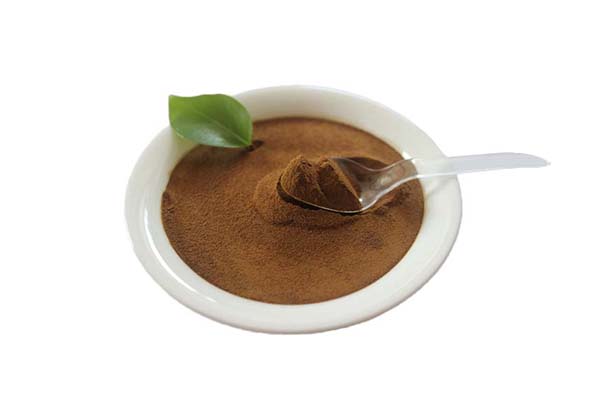
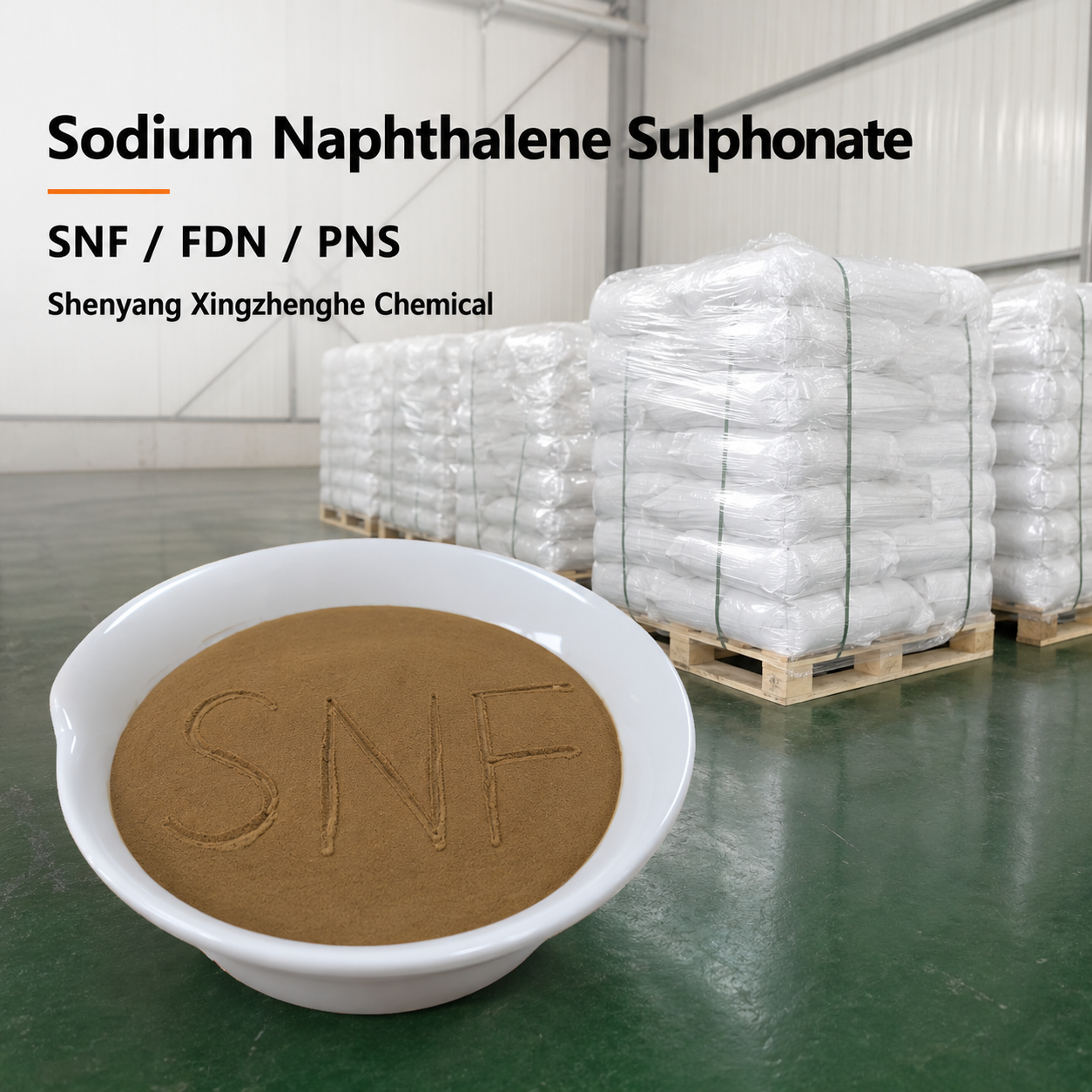
Commercial SNF is commonly available as a brown or brownish powder, although product appearance and form can vary by manufacturer.
3. What Does Powder PCE Look Like?
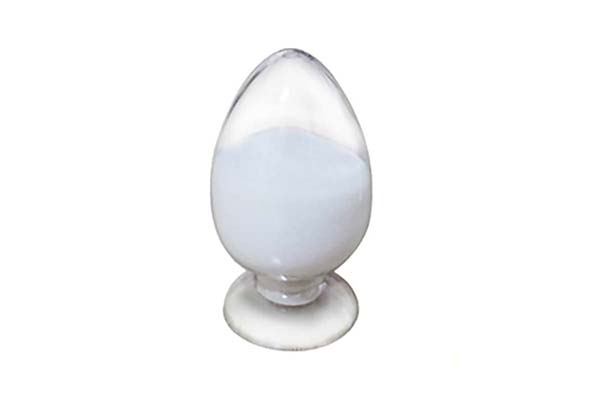
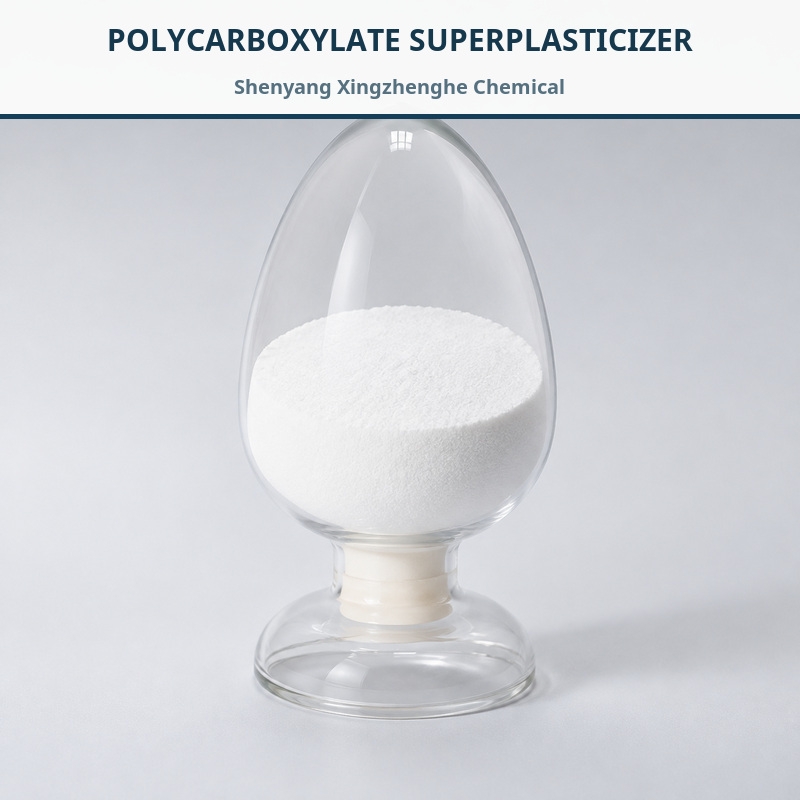
Powder PCE is generally supplied as a white or off-white powder.
It is commonly used where a dry, water-reducing polymer is required, including certain:
- dry-mix mortars;
- grouts;
- self-leveling formulations;
- cementitious products;
- dry-blended construction materials.
Powder PCE should not be confused with liquid PCE mother liquor.
Their physical forms, concentrations and dosage calculations are different.
4. PCE vs SNF: Chemical Structure
The first major difference is their chemistry.
PCE
PCE is based on polycarboxylate polymer chemistry and typically has a comb-like molecular structure.
SNF
SNF is based on sulfonated naphthalene-formaldehyde condensate chemistry.
This structural difference leads to different interaction mechanisms with cement particles.
In simplified terms:
PCE → adsorption + steric dispersion effects
SNF → adsorption + electrostatic repulsion
This is one reason why the two materials can behave differently even when both are classified as water reducers or superplasticizers.
5. How Do PCE and SNF Disperse Cement?
Fresh cement particles tend to form agglomerates after contact with water.
When a suitable water reducer is introduced, it can help disperse these agglomerates.
This allows more of the mixing water to participate effectively in the fresh cement system.
As a result, depending on formulation, a superplasticizer may be used to:
- reduce water demand at a target workability;
- increase fluidity at a similar water content;
- adjust concrete rheology;
- support lower water-to-binder ratios.
However, the actual result depends on cement compatibility, dosage and other raw materials.
6. PCE vs SNF: Water Reduction
PCE is often selected in formulations requiring a relatively high level of water reduction.
SNF is also an established high-range water reducer and can provide useful dispersing performance in suitable cement systems.
But it is not technically appropriate to state one universal water-reduction percentage for either product.
Actual water reduction depends on:
- product grade;
- active content;
- cement;
- supplementary cementitious materials;
- dosage;
- water-to-binder ratio;
- aggregates;
- test method.
Therefore, buyers should compare PCE and SNF using the same cement and the same test conditions.
7. Which Has Better Slump Retention: PCE or SNF?
This is one area where product design becomes especially important.
PCE technology allows manufacturers to design products with different slump-retention characteristics.
For example, there can be:
- water-reducing PCE;
- balanced PCE;
- slump-retaining PCE.
This makes PCE particularly relevant where concrete needs to retain workability during transportation or placement.
SNF can also be used in concrete formulations, but its time-dependent workability behavior differs from PCE systems.
However, slump retention should never be evaluated from polymer type alone.
It is also affected by:
- cement;
- temperature;
- aggregates;
- supplementary cementitious materials;
- dosage;
- retarding components;
- transportation time.
8. Water Reduction and Slump Retention Are Not the Same
This distinction is important.
A concrete admixture may provide strong initial dispersion but still show relatively rapid slump loss.
Another formulation may have a slightly different initial flow but maintain workability for longer.
Therefore:
High initial fluidity does not automatically mean good long-term slump retention.
When comparing PCE and SNF, test data should be recorded at several time points.
For example:
0 min → 30 min → 60 min → 90 min
depending on the requirements of the project.
9. PCE vs SNF: Cement Compatibility
Neither PCE nor SNF should be selected without considering the cement system.
Cement can vary in:
- clinker composition;
- fineness;
- sulfate balance;
- gypsum type;
- alkali content;
- supplementary cementitious materials.
These differences can influence adsorption and dispersing behavior.
This explains why:
A superplasticizer that performs well with Cement A may require a different dosage or formulation when Cement B is used.
Compatibility testing is therefore important for both PCE and SNF.
10. How Does Clay in Sand Affect PCE?
Aggregate quality can have a significant influence on concrete admixture performance.
Certain clay minerals in sand can interact with polycarboxylate polymers.
This may reduce the amount of PCE effectively available for cement dispersion.
Possible field observations can include:
- increased admixture demand;
- lower initial fluidity;
- faster slump loss;
- inconsistent concrete behavior.
Therefore, when PCE performance suddenly changes, the cement is not the only raw material that should be checked.
Changes in sand source and clay content may also be relevant.
11. Does Sand Quality Affect SNF?
Yes, aggregate characteristics can also affect the overall performance of SNF-based concrete.
Changes in:
- fines;
- clay;
- moisture;
- grading;
- aggregate absorption
can change water demand and fresh concrete behavior.
However, the interaction mechanism is not necessarily identical to that of PCE.
For both systems, concrete testing should use representative aggregates rather than evaluating the admixture only in water or a simplified solution.
12. PCE vs SNF in Ready-Mix Concrete
Ready-mix concrete often requires consideration of:
- water reduction;
- pumpability;
- initial slump;
- slump retention;
- transportation time;
- ambient temperature.
PCE can be particularly useful where the formulation requires both substantial water reduction and controlled workability over time.
SNF can also be used in ready-mix applications depending on local raw materials, performance requirements and formulation economics.
The final choice should be based on concrete trials.
13. PCE vs SNF in Precast Concrete
Precast production can have different requirements from ready-mix concrete.
For example, the production cycle may place greater emphasis on:
- early processing;
- mold turnover;
- controlled workability;
- surface appearance;
- strength development.
In these applications, the required slump-retention period may differ from long-distance ready-mix transportation.
Both PCE and SNF may be evaluated depending on the production process and target properties.
14. PCE vs SNF for Dry Mix Mortar
When the admixture needs to be incorporated into a dry powder product, physical form becomes particularly important.
Powder PCE and powder SNF can both be considered for certain dry-blended cementitious formulations.
Potential applications can include:
- dry mortar;
- grout;
- self-leveling compounds;
- repair materials;
- other cement-based dry mixes.
However, they should not be treated as direct 1:1 substitutes.
Their dosage, dispersing characteristics and interaction with other additives can differ.
15. Can SNF Replace PCE?
Not automatically.
If a formulation originally uses PCE, replacing it with SNF can change:
- water demand;
- fluidity;
- slump retention;
- rheology;
- setting behavior;
- compatibility with other additives.
Therefore, replacement requires reformulation and testing.
A simple kilogram-for-kilogram substitution is generally not an appropriate technical approach.
16. Can PCE Replace SNF?
The same principle applies in the opposite direction.
Switching from SNF to PCE may allow a formulation to achieve different water-reduction or workability characteristics, but the dosage cannot simply be copied.
The formulator should reassess:
- water content;
- admixture dosage;
- cement compatibility;
- setting;
- flow retention;
- other additives.
The formulation should be re-optimized.
17. Can PCE and SNF Be Used Together?
This depends on the formulation and compatibility of the specific products.
Combining different dispersing polymers does not automatically mean their benefits will simply add together.
Interactions between admixtures can change:
- adsorption;
- dispersion;
- fluidity;
- setting;
- stability.
Therefore, if a formulation developer wants to evaluate a PCE/SNF combination, controlled compatibility testing is necessary.
18. PCE vs SNF: Powder Appearance
From a purchasing and identification perspective, the two powder products usually look quite different.
Powder PCE
Typically:
white to off-white powder
Powder SNF
Typically:
brown to brownish powder
However, appearance should only be considered a basic physical characteristic.
Color alone cannot determine:
- purity;
- water-reducing performance;
- compatibility;
- slump retention;
- product quality.
Technical specifications and application testing remain necessary.
19. PCE vs SNF: Dosage
There is no single dosage that can be applied to every product.
This is particularly important when comparing PCE and SNF because commercial products can have different:
- active contents;
- physical forms;
- grades;
- formulation designs.
A liquid PCE mother liquor cannot be directly compared with a powder SNF by using only the dosage percentage.
Similarly, powder PCE and SNF should not be assumed to have the same effective dosage.
Always confirm the product specification before comparison.
20. PCE vs SNF: Which Is More Cost-Effective?
This question cannot be answered from the price per ton alone.
Suppose:
Product A has a lower price per ton but requires a higher dosage.
Product B has a higher price per ton but requires a lower dosage.
The more meaningful comparison is:
admixture cost per cubic meter of concrete at the required performance
rather than simply:
price per ton of admixture.
Other factors may also have economic value, such as:
- transportation time;
- production stability;
- cement compatibility;
- rejected batches;
- required water content;
- formulation complexity.
21. PCE vs SNF: Quick Comparison
| Factor | PCE | SNF |
|---|---|---|
| Full Name | Polycarboxylate Ether / Polycarboxylate Superplasticizer | Sulfonated Naphthalene Formaldehyde |
| Chemistry | Polycarboxylate polymer | Naphthalene sulfonate condensate |
| Main Dispersion Mechanism | Steric effects + adsorption | Electrostatic repulsion + adsorption |
| Powder Appearance | Usually white/off-white | Usually brown/brownish |
| Water Reduction | Depends on grade and formulation | Depends on grade and formulation |
| Slump Retention | Can be designed for different retention requirements | Different retention behavior from PCE |
| Cement Compatibility | Must be tested | Must be tested |
| Dry Powder Grades | Available | Available |
| Direct Substitution | Not recommended without testing | Not recommended without testing |
This table should be used as a general comparison rather than a fixed performance ranking.
22. How to Compare PCE and SNF in the Laboratory
A meaningful comparison requires controlled conditions.
Use the same:
- cement;
- supplementary cementitious materials;
- sand;
- aggregate;
- water content;
- mixing procedure;
- temperature.
Then set appropriate dosage levels for each candidate product.
Do not assume the same dosage is automatically appropriate.
23. What Should Be Measured?
Depending on the application, useful parameters may include:
Fresh Concrete or Mortar
- initial flow;
- slump;
- spread;
- workability;
- bleeding;
- segregation.
Time-Dependent Performance
- 30-minute flow;
- 60-minute flow;
- 90-minute flow;
- longer periods where required.
Setting
- initial setting;
- final setting.
Hardened Properties
- compressive strength;
- other project-specific properties.
The exact test program should match the intended application.
24. Why Should You Test the Actual Cement?
A supplier may provide technical data generated using a reference cement.
That data is useful for product characterization, but it does not guarantee identical performance with every local cement.
For buyers evaluating PCE or SNF, sending the actual cement and representative aggregates for compatibility testing can provide more relevant information.
This is particularly useful when:
- changing suppliers;
- changing cement sources;
- entering a new market;
- troubleshooting inconsistent concrete.
25. How to Choose Between PCE and SNF
A practical selection process can follow these steps.
Step 1 — Define the Application
Ready-mix concrete, precast, dry mortar, grout or another cementitious system?
Step 2 — Define the Main Requirement
Is the priority:
- water reduction;
- initial flow;
- slump retention;
- dry-powder formulation;
- production economics?
Step 3 — Review the Cement and Aggregates
Do not evaluate the admixture independently from local raw materials.
Step 4 — Select Candidate Grades
Choose appropriate PCE and/or SNF products.
Step 5 — Run Controlled Tests
Compare products under representative conditions.
Step 6 — Optimize Dosage
Determine the required dosage for each product separately.
Step 7 — Calculate Formulation Cost
Compare cost at the required finished-product performance.
Step 8 — Verify in Production
Laboratory results should be followed by appropriate production trials where necessary.
Frequently Asked Questions
What is the main difference between PCE and SNF?
They have different chemical structures and cement-dispersion mechanisms. PCE is based on polycarboxylate polymer chemistry, while SNF is based on sulfonated naphthalene-formaldehyde condensate.
Which is better, PCE or SNF?
There is no universal answer. Selection depends on cement, application, water reduction, slump retention, dosage, cost and other formulation requirements.
What color is powder PCE?
Powder PCE is generally white or off-white.
What color is SNF powder?
SNF is generally supplied as a brown or brownish powder.
Which one has better slump retention?
PCE technology includes grades specifically designed for different slump-retention requirements. Actual performance should still be tested with the intended cement and concrete formulation.
Can SNF replace PCE?
Not directly on a 1:1 basis. Reformulation and testing are required.
Can PCE replace SNF?
It can be evaluated as an alternative in suitable applications, but dosage and the complete formulation need to be re-optimized.
Are PCE and SNF suitable for dry mortar?
Powder grades of both products can be used in certain dry cementitious formulations. Suitability depends on the specific product and formulation.
How should I compare their prices?
Instead of comparing only price per ton, calculate the admixture cost required to achieve the target performance in the finished concrete or mortar.
Conclusion
PCE and SNF are both concrete water-reducing admixtures, but they should not be considered interchangeable products.
Their differences begin with molecular chemistry and extend to:
cement dispersion → water reduction → slump retention → cement compatibility → dosage → application → formulation economics.
PCE provides a flexible polymer platform that can be designed for different water-reduction and slump-retention requirements, while SNF remains another established dispersing technology for cement-based materials.
The appropriate choice should therefore be based on:
application requirements + local cement + aggregates + target workability + required retention time + dosage + finished-product cost.
For buyers and formulators, the most useful approach is not to ask:
“Is PCE or SNF better?”
but rather:
“Which superplasticizer provides the required performance with my cement and formulation under my actual production and construction conditions?”
Controlled testing provides the basis for answering that question.